
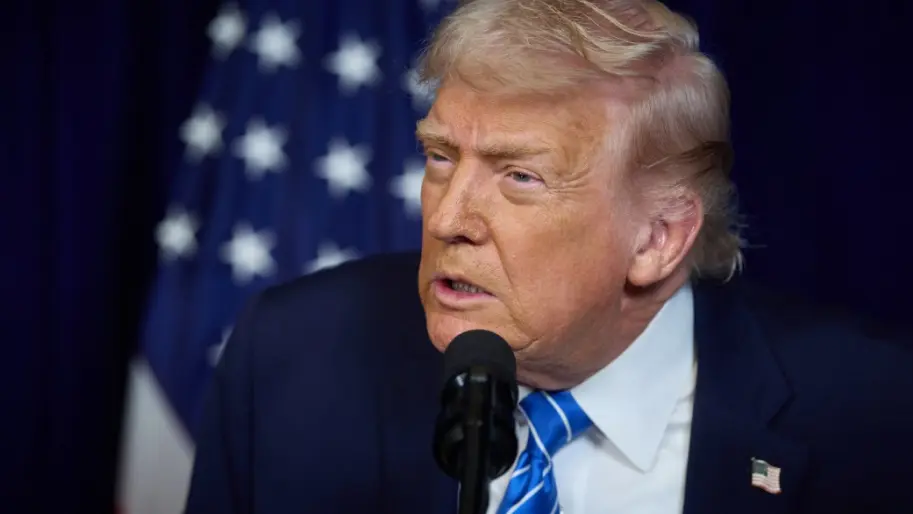

Despite Donald Trump's recent statements about the possible withdrawal of the United States from NATO due to disagreements over the operation in the Strait of Hormuz, in practice the administration is not taking steps to implement such a scenario. This is reported by Politico, citing sources in the Pentagon and Congress.
No official discussions or preparation of directives on the termination of membership in the Alliance have been held in Washington.
"There is no evidence that this is true," said one of the senator's aides.
NATO diplomats are inclined to believe that such rhetoric is a familiar tactic of Trump, aimed at encouraging allies to take more active action. In particular, we are talking about involving France and Great Britain in resolving the situation in the Strait.
"Trump's threats rarely lead to a structural break with NATO. Let's not forget that the Alliance, as before, serves the core strategic interests of the United States," commented one of the Alliance representatives, calling the president's statement another element of political pressure.
Legal barriers and the position of Congress Withdrawing from NATO is a complex procedure regulated by American law. The law expressly prohibits the president from unilaterally terminating the North Atlantic Treaty without the consent of Congress. Senators from both parties have already expressed their readiness to block such initiatives.
Senate Minority Leader Chuck Schumer emphasized that lawmakers will not support abandoning the allies due to differences in views on the Middle East conflict.
"The Senate will not vote to withdraw from NATO... just because Trump is upset," he said.
Concerns of European partners
Although legally an exit is unlikely, European officials fear a "quiet" degradation of the Alliance. There is a risk that the US may formally remain in NATO, but deprive the organization of resources and attention.
"With Trump in power... we may have NATO, but we no longer have the Alliance," the German official noted, pointing to the reputational losses from such discussions.
The tension over the issue of military aid to Ukraine, which Trump had previously linked to actions in the Strait, was eased thanks to the diplomatic efforts of Mark Rutte. This allowed the stability of the PURL program to be maintained, although the general background of relations between the US and Europe remains difficult.
As Ukrainian News Agency earlier reported, US Secretary of State Marco Rubio said that after the military operation in Iran, the United States "will have to" review its relations with NATO.
Meanwhile, the head of NATO is traveling to Washington amid Trump's threats to withdraw from the Alliance.
Who we are: About us, Contacts. How we write news and our principles: Editorial code. We did our best. If you found this valuable – please support us.
To request a correction, please send an email.