
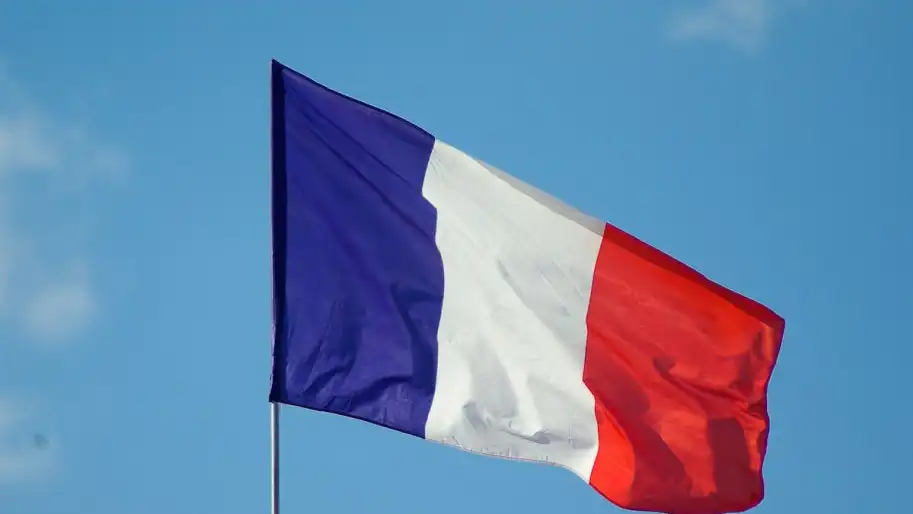

Pressure is mounting on France amid demands to transfer EUR 18 billion of frozen russian assets, mostly held in private banks, to Ukraine, the Financial Times reports.
Citing client confidentiality, France has refused to disclose which institutions hold the frozen russian money or how it uses the interest, which has angered a number of European partners.
The assets have come under renewed scrutiny as the European Commission pushes ahead with a plan for a "reparation loan" for Ukraine. The loan would be backed by frozen assets held by the russian central bank. The new proposal would use funds held across the EU, rather than just the EUR 185 billion main depository in Belgium, Euroclear.
The assets frozen in France are the second-largest holdings of russian central bank funds in Europe. However, unlike Euroclear, which was forced to disclose the amount, Paris continues to hide the exact location and custodians of these assets from other European capitals.
"The operations of commercial banks with central banks and foreign reserves are probably the least transparent segment of the global financial market. Nobody wants to tell the world where they invest their money," said Nicolas Véron, a senior researcher at the Bruegel think tank.
The European Commission's new plan is designed to overcome objections from Belgium, which insisted on including assets in France and other countries in the loan agreement to avoid unfairly singling out Euroclear.
France itself, which supports the idea of a reparations loan, opposed the involvement of commercial banks' assets, arguing that their contractual obligations are different from those of Euroclear.
Sources familiar with the matter confirm that after the EUR 185 billion in Euroclear, almost all of the remaining EUR 25 billion of russian state assets are frozen in private banks in France and Belgium. France holds the largest share of this balance - EUR 18 billion, while Belgium, in addition to Euroclear, holds another EUR 7 billion in commercial institutions. The assets in other EU countries are insignificant, and the names of the depository banks are undisclosed.
"This is information that affects the market - it is the same as if doctors were to discuss medical records in public," commission spokesman Olof Gill told the Financial Times.
The exact number of French banks holding russian assets remains unknown. However, three people familiar with the matter told the FT that most of these funds are held by the country's largest lender, BNP Paribas. The bank itself, like Crédit Agricole and Société Générale, declined to comment. France's fourth-largest bank, BPCE, did not respond to a request for comment. Meanwhile, Belgium's KBC and Belfius also declined to comment on whether they were holding assets from the russian central bank, citing confidentiality.
Euroclear has profited from the cash generated by the russian central bank's frozen assets - largely because the securities Moscow held there have matured - but it has no contractual obligation to pay russia interest. The income was described as a "windfall profit" that is being used to secure a USD 50 billion loan for Ukraine.
Private lenders are usually required to return all or part of the interest accrued on cash deposits to russia. However, the publication's sources say that due to differences in contractual terms, some banks have been able to collect some of that interest from holding frozen assets.
"Central securities depositories do not owe russia any interest. This is perhaps the main difference compared to central bank reserves held in commercial institutions, which may owe interest," Gill said.
The European Commission's plan guarantees that the EU will cover all interest that financial institutions are obliged to pay to russia "in accordance with the terms of the relevant agreements."
While Euroclear remains a key object of discussion due to its significant interest income (USD 5.4 billion last year and USD 2.4 billion in the first half of the year, a significant part of which goes to lending to Ukraine), France's position remains unchanged.
"French banks are consistent on this issue, they do not want to participate in discussions," said a knowledgeable Paris resident.
Neither the Elysee Palace, nor the Ministry of Finance, nor the country's central bank have commented on the assets under French jurisdiction.
As Ukrainian News Agency earlier reported, German Chancellor Friedrich Merz called on European Union countries to provide guarantees to Belgium and share the risks associated with the confiscation of frozen assets of the aggressor country, russia.
Who we are: About us, Contacts. How we write news and our principles: Editorial code. We did our best. If you found this valuable – please support us.
To request a correction, please send an email.