
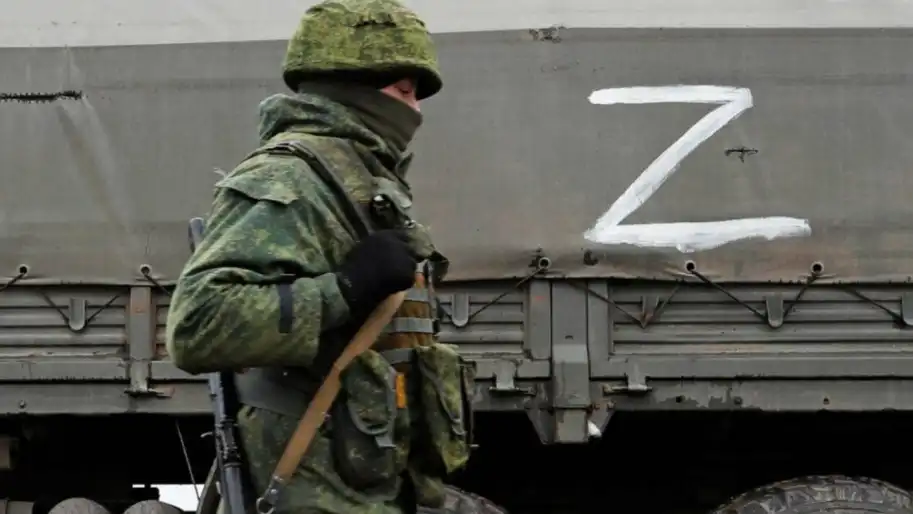

Russian occupation forces have seized the village of Shevchenko in the Donetsk Region and taken control of one of the most promising lithium deposits in Ukraine and one of the largest in Europe. Le Figaro reported on Friday, June 27.
The occupation of Shevchenko gives the occupiers access to one of Ukraine's most promising lithium deposits. This metal is currently one of the most valuable, as it is used in the production of batteries for electric vehicles, and its price continues to grow rapidly. This metal is now white gold, the publication noted.
"A scientific study published just before the Russian invasion on February 24, 2022, estimated Ukraine's lithium reserves at 500,000 tons. Enough to make Ukraine one of the world's leading lithium producers. Of the four discovered sites, two are currently in Russian hands. Although they are not yet exploited, the Shevchenko deposit could prove particularly profitable," the article says.
The deposit also contains other rare metals such as tantalum, niobium, beryllium, cesium, and tin. However, according to Le Figaro, it is unlikely that the russians will begin exploiting this deposit.
As the Ukrainian News agency earlier reported, on June 5, First Deputy Prime Minister and Minister of Economy Yuliai Svyrydenko said that Ukraine and the United States are working on projects in the fields of graphite, lithium, and titanium within the framework of the Reconstruction Investment Fund.
On June 19, Svyrydenko reported that Ukraine had proposed to the United States to expand the agreement on the US-Ukraine Reconstruction Investment Fund (minerals agreement) to support the defense industry in Ukraine.
As a reminder, back in 2023, scientists from the German Lithium Institute stated that the russian federation was fighting in Ukraine for minerals that are needed for a "green" economy.
Who we are: About us, Contacts. How we write news and our principles: Editorial code. We did our best. If you found this valuable – please support us.
To request a correction, please send an email.