

The ongoing Russia's war against Ukraine has dealt a severe blow to the global economy, reducing forecasted global trade growth for 2022 from the 4.7% predicted last October to between 2.4% and 3%. This was reported by The Xinhua News Agency.
The projection, based on a global economic simulation model, was made by the World Trade Organization (WTO) Secretariat in a note issued.
According to the same model, the crisis could lower global GDP growth by 0.7-1.3 percentage points, bringing it to somewhere between 3.1% and 3.7% for 2022.
The Russia's war against Ukraine has pushed up food and energy prices, and reduced the availability of goods exported by Russia and Ukraine, said the Secretariat note.
Russia and Ukraine are both important suppliers of essential products, notably food and energy, according to the note. The two countries supplied around 25% of wheat, 15% of barley and 45% of sunflower product exports globally in 2019. Russia alone accounted for 9.4% of world trade in fuels, including a 20% share in natural gas exports.

A vehicle runs past a gas station in Berlin, capital of Germany. Photo by Xinhua/Shan Yuqi.
Russia is one of the main global suppliers of palladium and rhodium, which are crucial elements in the production of catalytic converters for automobiles. Meanwhile, semiconductor production depends to a significant extent on neon supplied by Ukraine. Disruptions to the supply of these materials could hit car producers at a time when the industry is just recovering from a shortage of semiconductors, the WTO highlighted.
Europe, the main destination for both Russian and Ukrainian exports, is likely to experience the brunt of the economic impact. Reduced shipments of grains and other foodstuffs will also inflate prices for agricultural goods.
Africa and the Middle East are the most vulnerable regions, since they import over 50% of their cereal needs from Ukraine and/or Russia. In total, 35 countries in Africa import food and 22 import fertilizer from Ukraine, Russia or both.
Some countries in Sub-Saharan Africa are facing potential price hikes of up to 50-85% for wheat, as a result of the crisis's impact on grain shipments, the note said.
"The current crisis is likely to exacerbate international food insecurity at a time when food prices are already historically high due to the COVID-19 pandemic and other factors", – it warns.

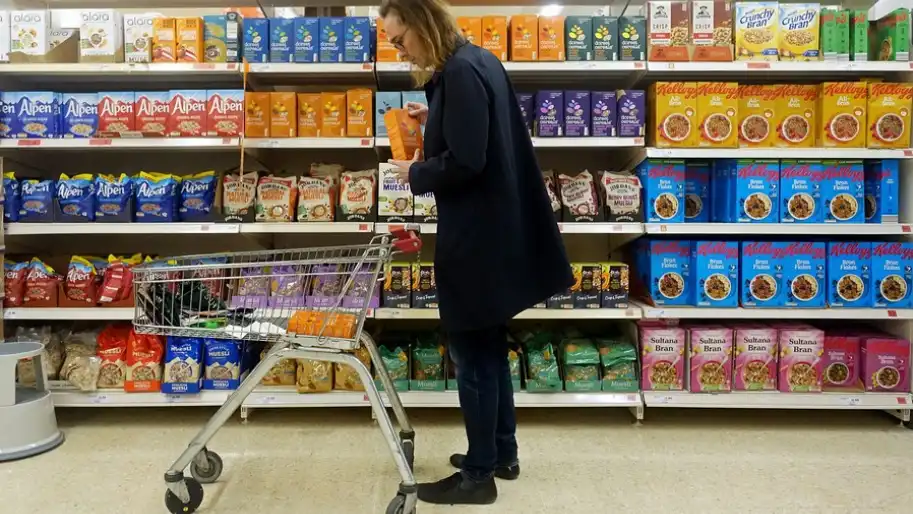
Customers shop at a supermarket in Rome, Italy. Photo by Xinhua/Jin Mamengni.
Who we are: About us, Contacts. How we write news and our principles: Editorial code. We did our best. If you found this valuable – please support us.
To request a correction, please send an email.