
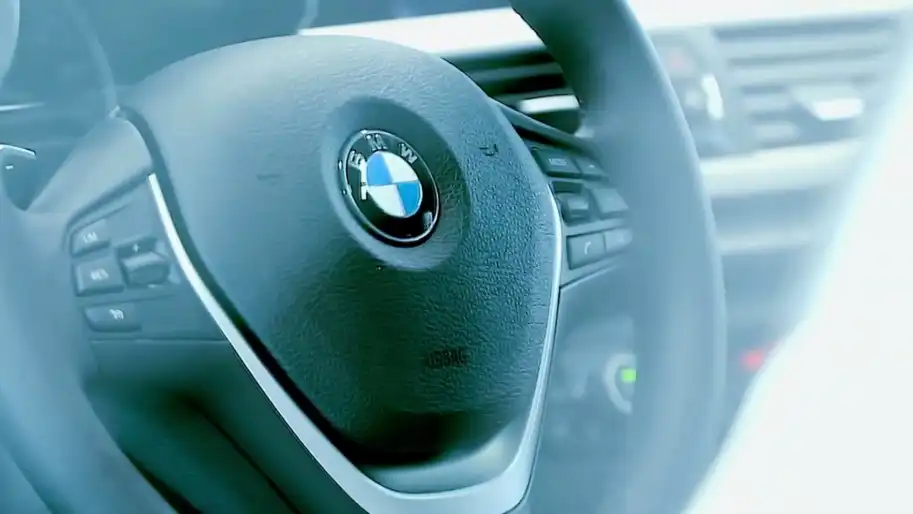

German carmaker BMW launched its all-new X5 with China-exclusive wheelbase design last week. It was the first time that the model was made in China. This was reported by The Xinhua News Agency.
In February, the German auto giant strengthened its partnership in China by extending the joint-venture contract of BBA (BMW Brilliance Automotive Ltd.) until 2040, and increased its shares from 50% to 75% by investing some ¥27.9 bln (about $4.4 bln).
These moves have reflected BMW's confidence in the Chinese market despite the pandemic.
Apart from BMW, German automaker Audi also steps up efforts in cooperating with its Chinese partners.
In February, cooperating with China's leading automaker First Automotive Works, Audi officially launched a project to produce pure electric vehicles in Changchun, the capital of northeast China's Jilin Province.
According to the latest data from the Ministry of Commerce, foreign direct investment (FDI) into the Chinese mainland, in actual use, expanded 37.9% year on year to ¥243.7 bln (about $38.3 bln) in the first two months of this year.
China remained one of the top investment destinations for foreign companies, especially for German companies.
A report released by the German Chamber of Commerce in China and KPMG showed that nearly 60% of German companies in China reported improved business operations last year and 71% planned further investment in the country.
In 2021, despite COVID-19, China-EU trade and economic cooperation injected more impetus and vitality into the dampened global economy.
The trade volume between China and the EU turned the tide and reached a record high of more than $800 bln with a year-on-year growth of 27.5%.
Meanwhile, two-way investment between the two major economies last year exceeded $270 bln.
Who we are: About us, Contacts. How we write news and our principles: Editorial code. We did our best. If you found this valuable – please support us.
To request a correction, please send an email.