

Today is the anniversary of the Kakhovka HEPP explosion. The tragedy that destroyed the reservoir in 2023 did not end with the destruction. It continues on - in changing the landscape, water regime, agriculture and way of life in southern Ukraine.
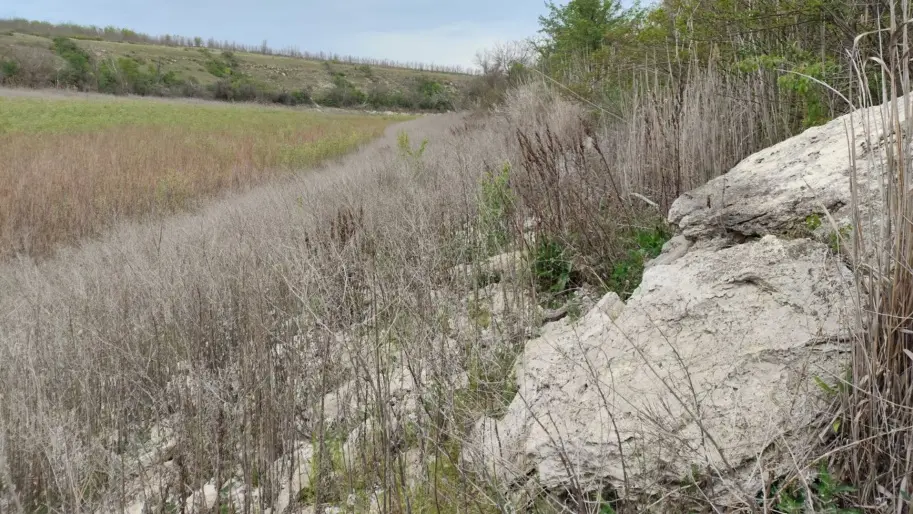
After the disappearance of a large reservoir, the territory began to rapidly rebuild. Areas of the bottom that were previously under water are gradually covered with vegetation. Young trees appear somewhere, grasses and marsh species somewhere.
This process occurs unevenly. Some areas quickly turn green, while others remain dry or unstable. A new landscape is being formed, which does not yet have a stable structure and continues to change every year.
What happened to water and soils
The main change is the loss of a stable source of water. The groundwater level in many areas has decreased. This has affected the moisture content of the soils and their suitability for agriculture.
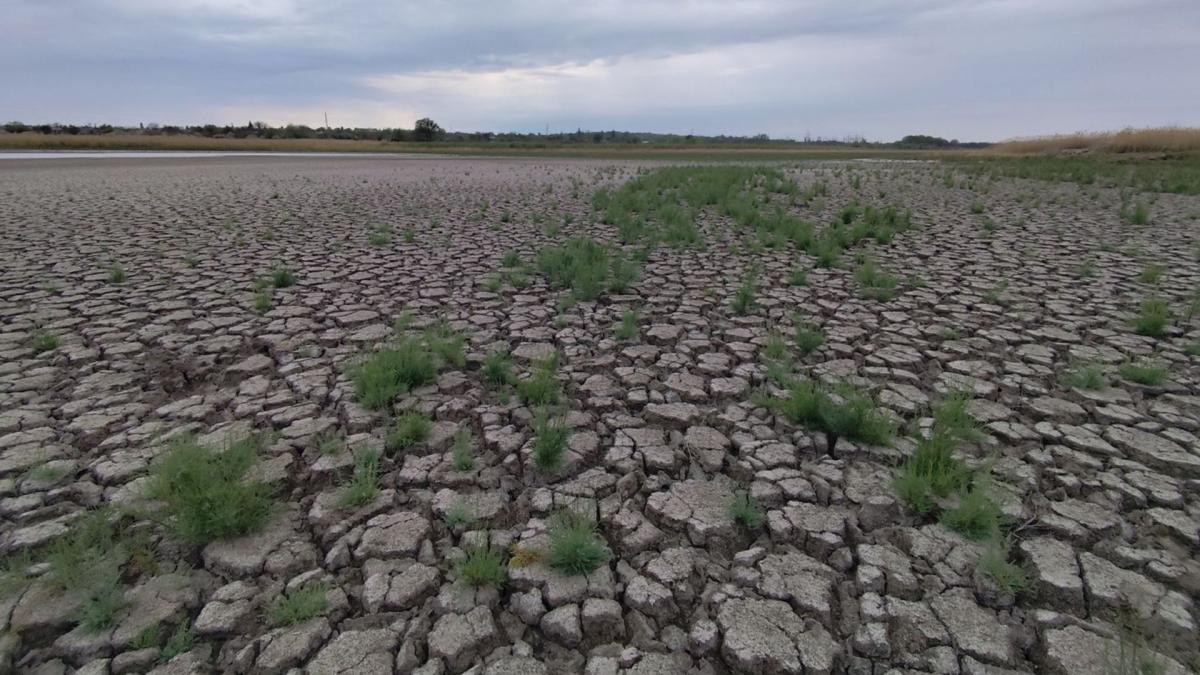
In some areas, drying and salinization of the soils are recorded. In other places, on the contrary, periods of temporary waterlogging appear due to the new structure of water runoff. The system that worked around the reservoir for decades no longer exists in its previous form.
How people survive without the Kakhovka Reservoir
After the disappearance of the reservoir, water became the main problem for many communities. Some water supply systems lost their usual source, so the solutions are now different. Some wells are being drilled, some water is being brought in, and in some places old networks are being repaired or rebuilt.
In agriculture, the changes are even more noticeable. Large irrigation systems that used to work no longer supply the fields as they used to. Because of this, irrigation has become less regular and more dependent on local conditions.
Farmers are switching to simpler methods of water supply. Most often, drip irrigation is used. It is installed on vegetable fields, melons, sometimes in orchards and berry bushes. Water is supplied directly to the plants, so less is needed.
How nature is changing without a reservoir
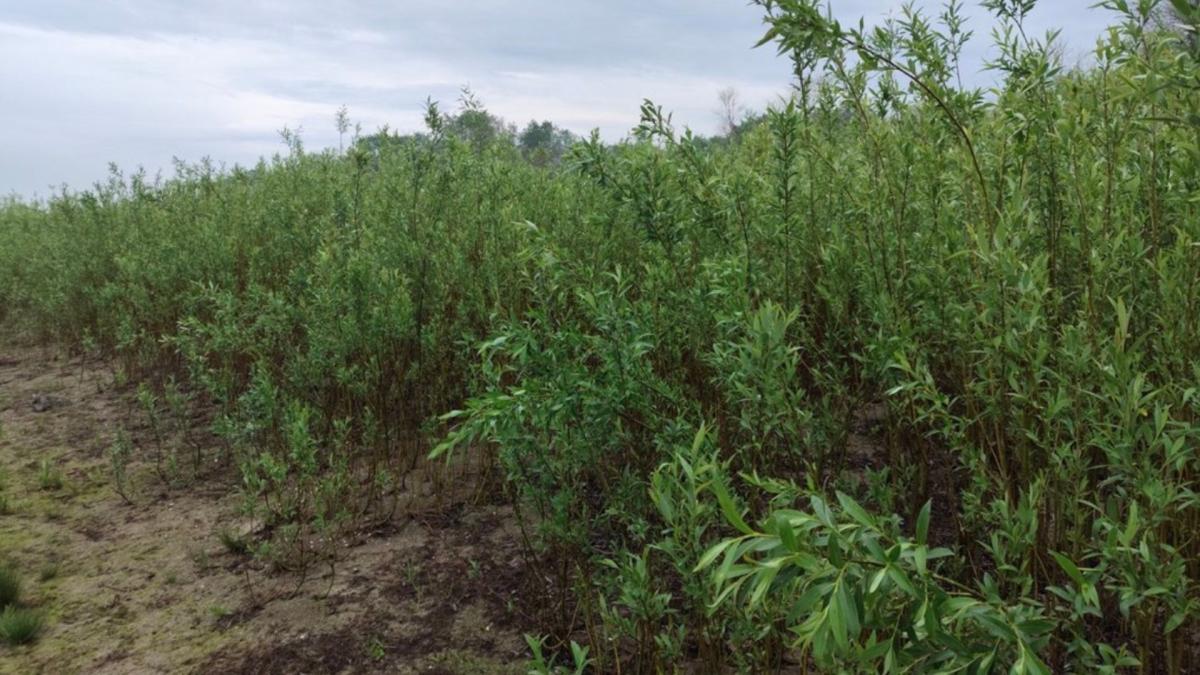
Along with the difficulties, another process has appeared - the restoration of natural systems. New green areas are forming on the site of the former reservoir, animals appear that were previously less common here.
But these changes are not sustainable. Some areas are overgrown quickly, some are drying out or changing under the influence of the climate. This is a system that has not yet stabilized and can change in different directions.
The site of the former reservoir remains a territory of constant change. Here, nature is being restored, the economy is being rebuilt, and new solutions for water supply are being sought.
What this region will be like in a few years depends on how natural processes and human decisions combine. There is no sustainable model here yet.
Recall that the Kakhovka reservoir disappeared after the explosion of the Kakhovka hydroelectric power station in June 2023. Water began to flow rapidly after the dam collapsed, and within a few days most of the reservoir had flowed downstream. Ukraine and a number of international organizations and investigations qualify this as an explosion carried out by the russian military, who controlled the station at that time.
Who we are: About us, Contacts. How we write news and our principles: Editorial code. We did our best. If you found this valuable – please support us.
To request a correction, please send an email.