
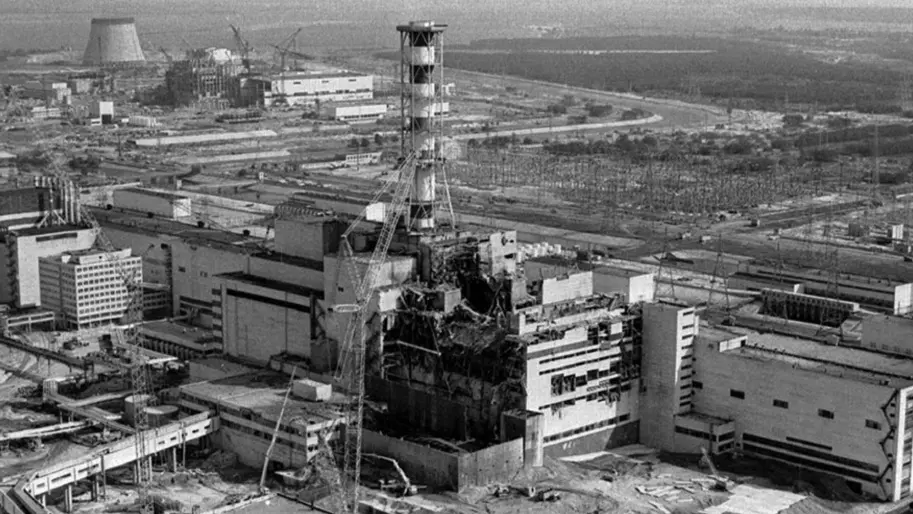

April 26, 2026 marks 40 years since the accident at the Chornobyl nuclear power plant. The explosion at the fourth power unit in 1986 became one of the largest man-made disasters in the world, led to large-scale radioactive contamination and significantly influenced the political processes that ended with the collapse of the USSR.
Why the disaster happened
The accident occurred during a night experiment at the fourth power unit. Engineers were checking the operation of the turbine in conditions of power loss, for which some of the protection systems were turned off. The reactor was already in an unstable state. A decrease in the water supply led to overheating, a sharp increase in pressure and two explosions that destroyed the reactor.
The causes of the disaster were a combination of design flaws in the RBMK-1000 reactor, violations of regulations and a low safety culture. Known problems of such reactors had not been eliminated before, and information about previous incidents was hidden.
What is radiation sickness
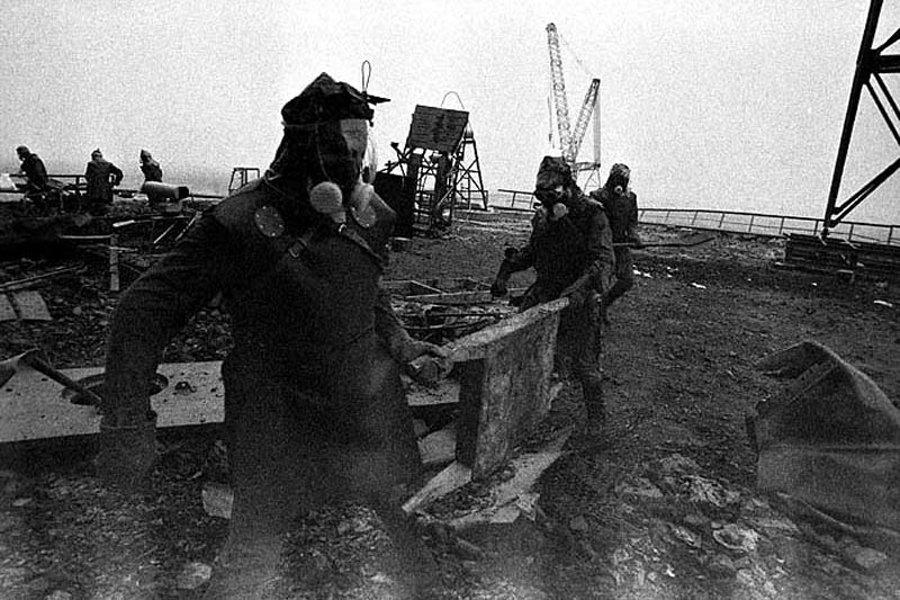
Radiation sickness occurs due to strong ionizing radiation, which destroys the body's cells. The tissues where cells divide rapidly suffer the most - the bone marrow and the digestive system.
Symptoms appear within a few hours: vomiting, diarrhea, skin burns. Later, due to damage to the immune system, infections develop, which often cause death. Some of the victims die within days or weeks, while others suffer long-term consequences, including an increased risk of cancer.
How the KGB and the authorities covered up the tragedy
Information about the accident was immediately classified. The first official reports appeared only a few days later and contained minimal information. The evacuation of Pripyat began 36 hours after the explosion, with people being told that they would return in a few days.
The KGB controlled the information space: it restricted communication, monitored "panic moods", and persecuted those who spread unofficial data. Foreign journalists were given distorted information, soil samples were replaced, and demonstrative contacts with "eyewitnesses" were organized.
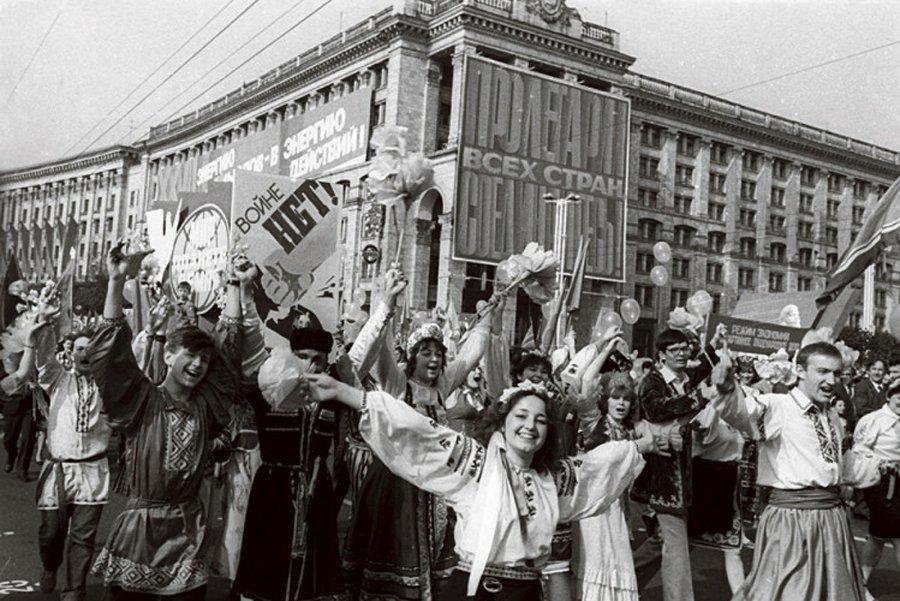
The authorities held mass events, including the May Day demonstrations in Kyiv, despite the increased radiation background. The scale of the disaster, the level of radiation, and the number of victims remained classified for a long time.
How the Chornobyl nuclear power plant influenced the collapse of the Soviet Union
The disaster undermined trust in the Soviet system. Concealment of information, delayed decisions, and the lack of effective protection of the population demonstrated the government's inability to respond to the crisis.
Chornobyl became one of the factors that increased public discontent. The loss of trust in official information and the center's policies contributed to the growth of criticism of the regime and national movements in the republics. Combined with economic problems, this accelerated the collapse of the USSR.
Operation of the plant after the accident and during the independence of Ukraine
After the explosion, other power units of the Chernobyl NPP continued to operate. The plant was gradually decommissioned: the last power unit was shut down in 2000.
Ukraine assumed obligations to preserve the facility and eliminate the consequences. A sarcophagus was first built over the destroyed reactor, and later a new safe confinement.
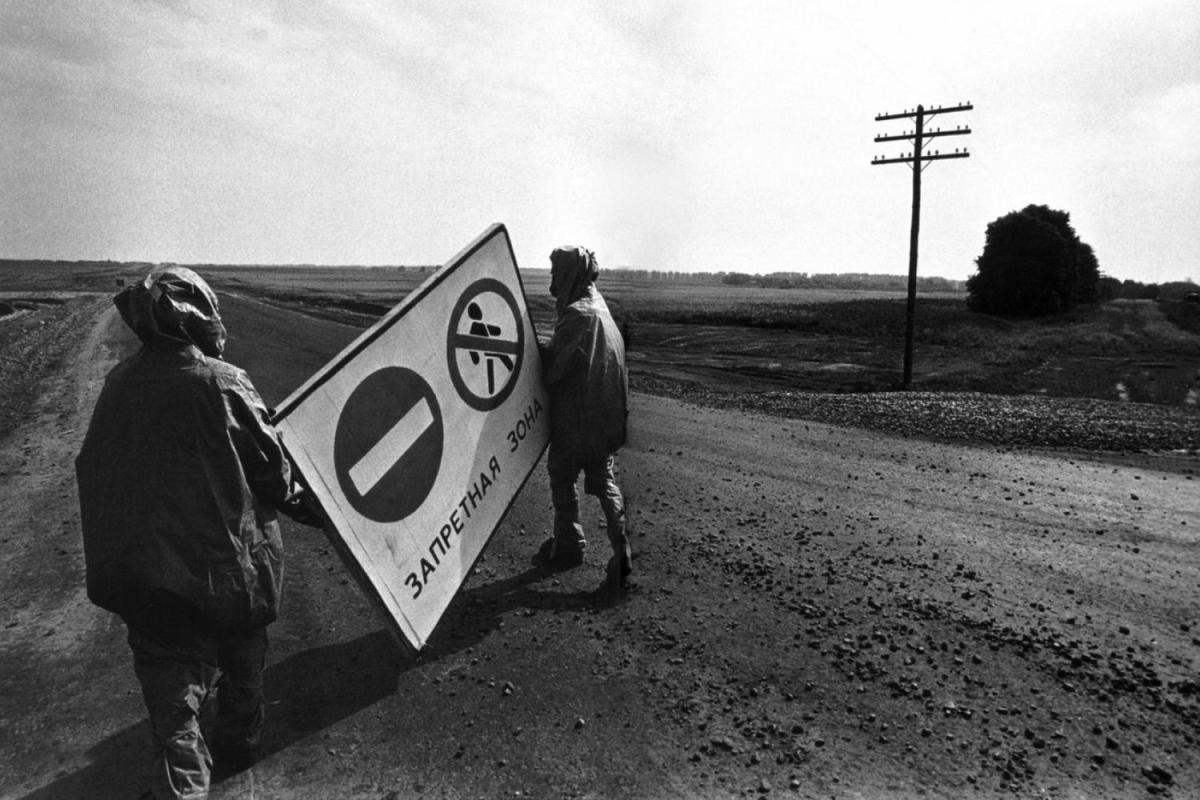
The Chornobyl Exclusion Zone remains a territory with limited access. The consequences of the accident - environmental, medical, and social - are still felt decades after the disaster.
Who we are: About us, Contacts. How we write news and our principles: Editorial code. We did our best. If you found this valuable – please support us.
To request a correction, please send an email.