
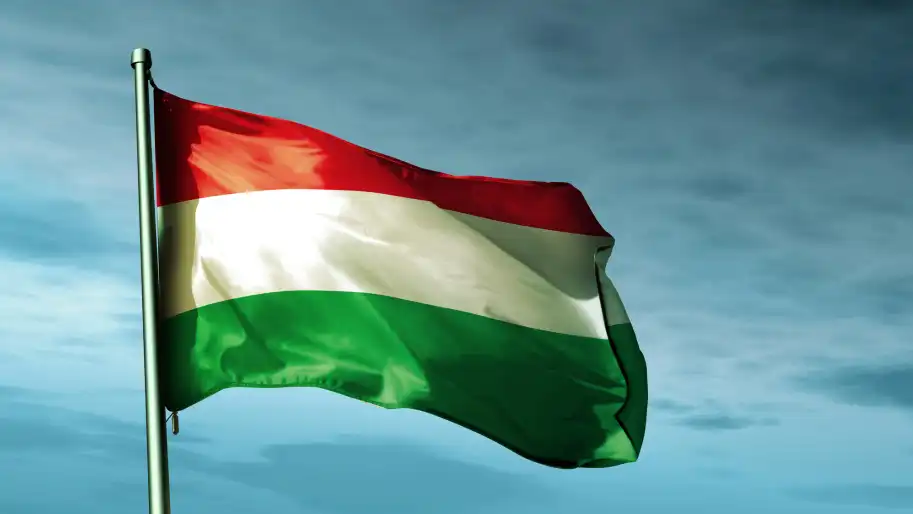

Hungary and russia have officially recorded their intention to significantly expand their economic, energy and cultural partnership by signing a large-scale agreement amid russia's ongoing aggression against Ukraine. It is reported by Politico with reference to the documents obtained by the russian government.
The corresponding 12-point cooperation plan was signed in moscow by Hungarian Foreign Minister Péter Szijjártó and russian Health Minister Mikhail Murashko. This step was the result of the 16th meeting of the intergovernmental commission, which resumed full-fledged work in September 2024 after a long pause caused by the start of a full-scale invasion.
The announced agreements cover strategic sectors from nuclear energy to education and sports, demonstrating Budapest's policy of ignoring the pan-European sanctions policy. In particular, the parties agreed to implement new energy and hydrogen projects, as well as to deepen cooperation in the oil and gas sector. The main goal of the agreement is to stop the decline in trade that resulted from EU restrictions.
In addition to economic benefits, Budapest has agreed to a significant increase in russian cultural influence: it is about attracting teachers from russia to teach the language in Hungarian schools, mutual recognition of diplomas and joint exchange programs for graduate students.
The humanitarian block also envisages intensification of ties in the field of sports and circus arts in 2026-2027, which experts see as a tool for promoting kremlin narratives.
While Péter Szijjártó publicly declares the priority of "national interests" over the position of the liberal media, Hungarian opposition leader Péter Magyar directly accuses the government of Viktor Orbán of outright betrayal. Despite the apparent rapprochement with the aggressor country, the document left a formal warning that this cooperation should not contradict Hungary's obligations as a member of the European Union.
As the Ukrainian News agency earlier reported, on March 24, Hungarian Foreign Minister Péter Szijjártó confirmed that he regularly holds closed consultations with russian Foreign Minister Sergey Lavrov.
On March 24, Polish Prime Minister Donald Tusk called it a disgrace that Hungarian Foreign Minister Péter Szijjártó confirmed the transfer of data to his counterpart from the aggressor state of russia, Sergey Lavrov, after the EU Council meetings.
On March 23, the European Commission said that it is waiting for explanations from Hungary regarding the reports of information transfer to russia.
Who we are: About us, Contacts. How we write news and our principles: Editorial code. We did our best. If you found this valuable – please support us.
To request a correction, please send an email.