
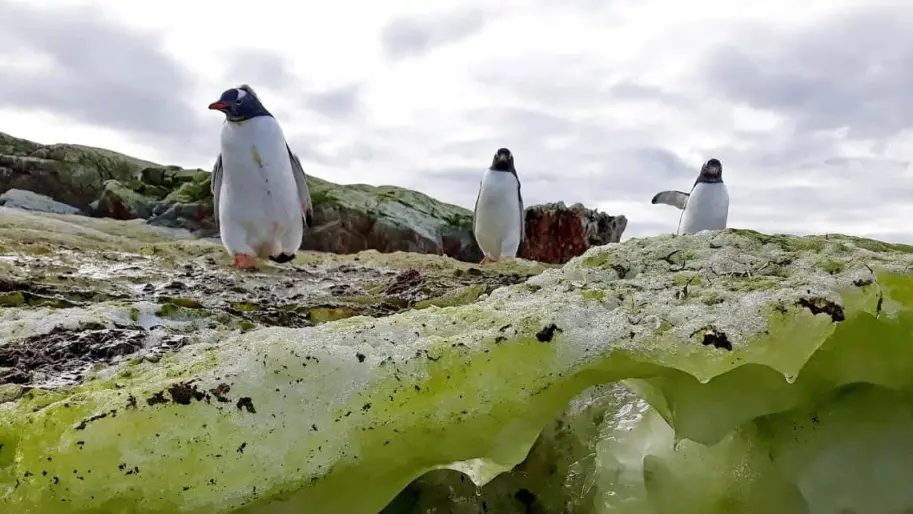

The National Antarctic Science Center has released a selection of photos to mark World Water Day, which was celebrated on Sunday, March 22, that demonstrate how diverse the color of water in Antarctica can be.
As scientists explain, the shade of water depends on several factors. In particular, depth plays an important role: the deeper it is, the darker the water looks. Transparency is also important, which varies depending on the number of microorganisms and the level of turbidity.
Salinity also affects the color. Fresh and salt water can have different shades, and when they mix, the lighter fresh water rises above the salt water. No less important are the level of pollution, in particular organic substances, as well as the state of the water - in the form of ice, snow or liquid - and lighting.
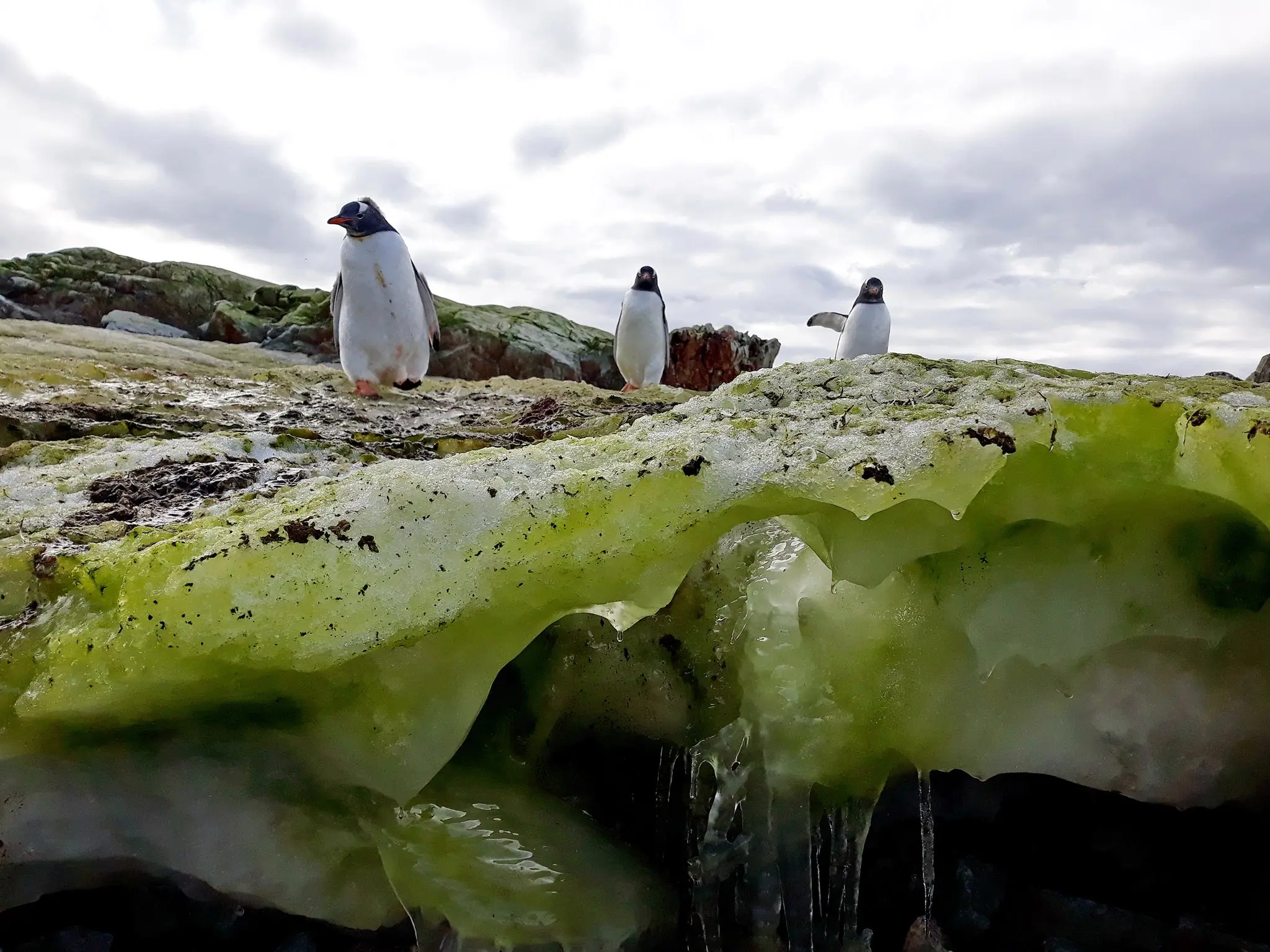
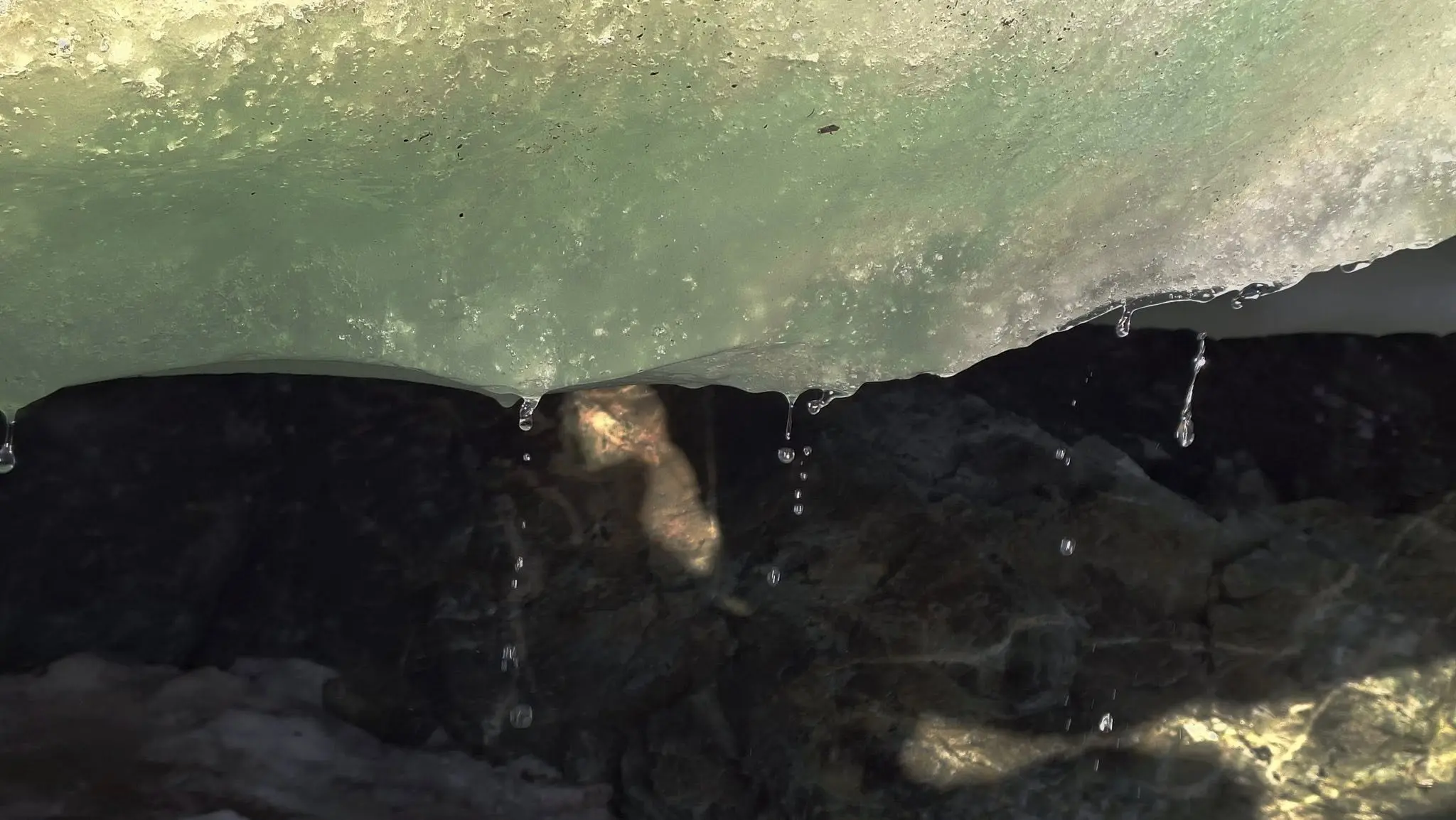
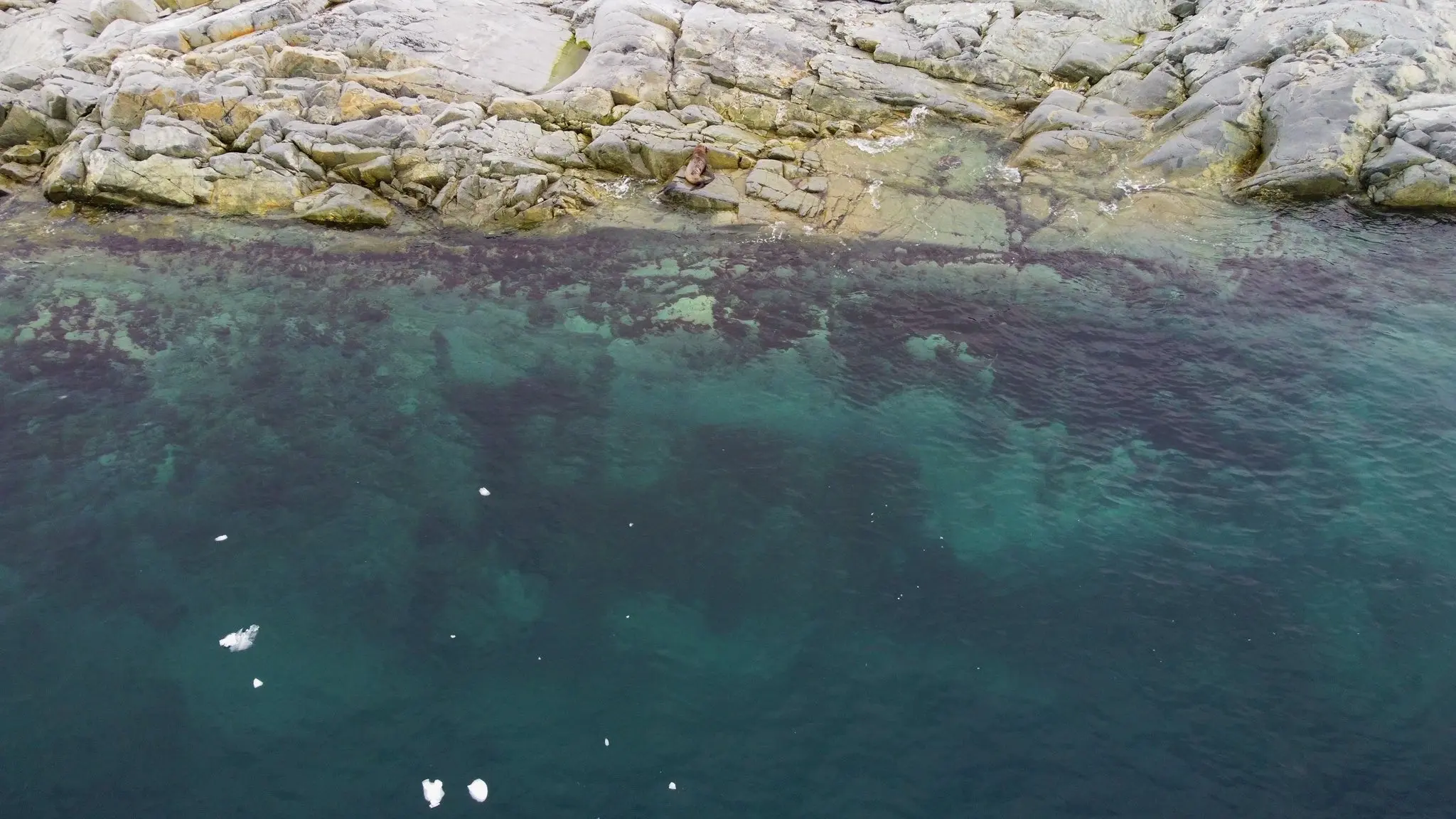
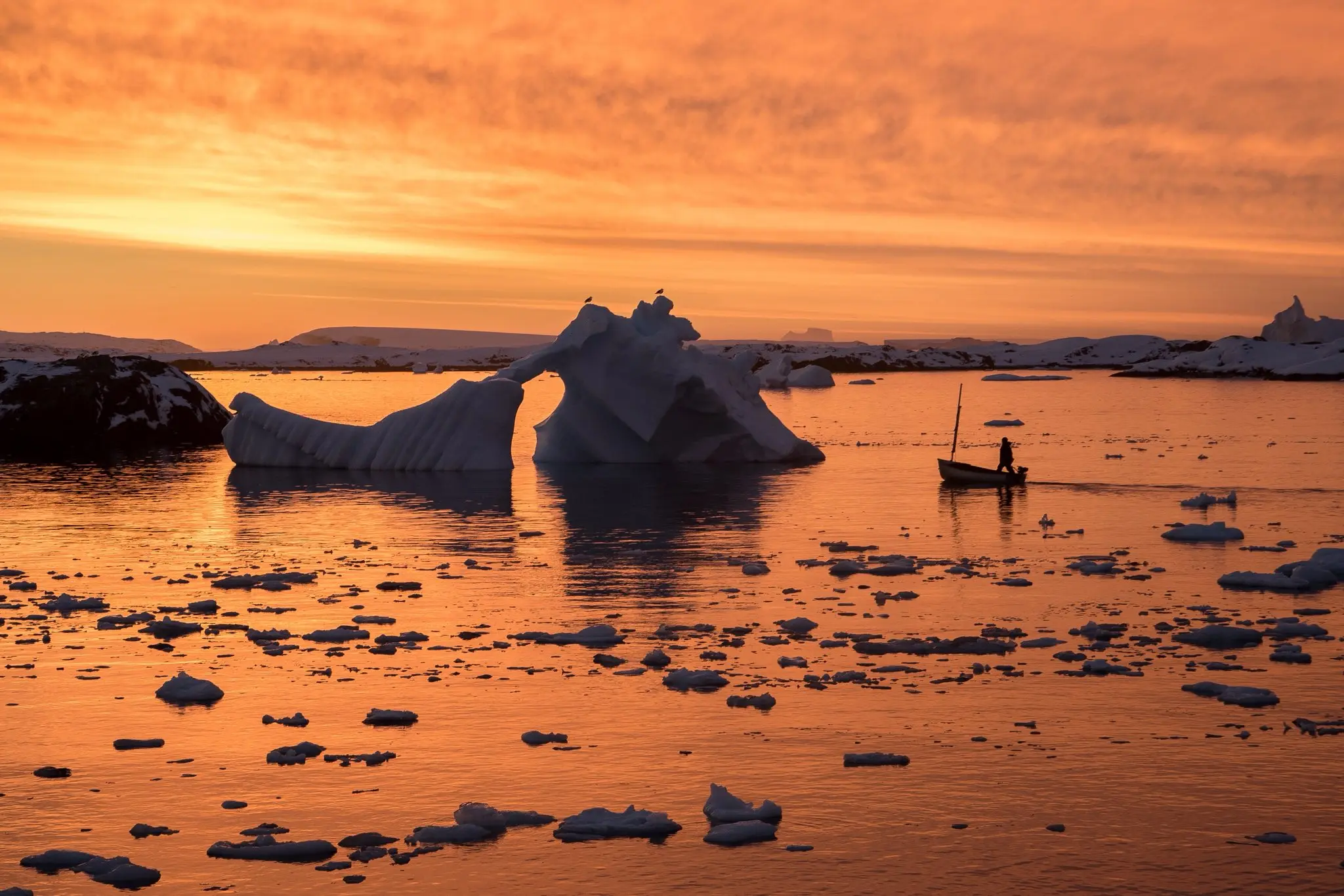
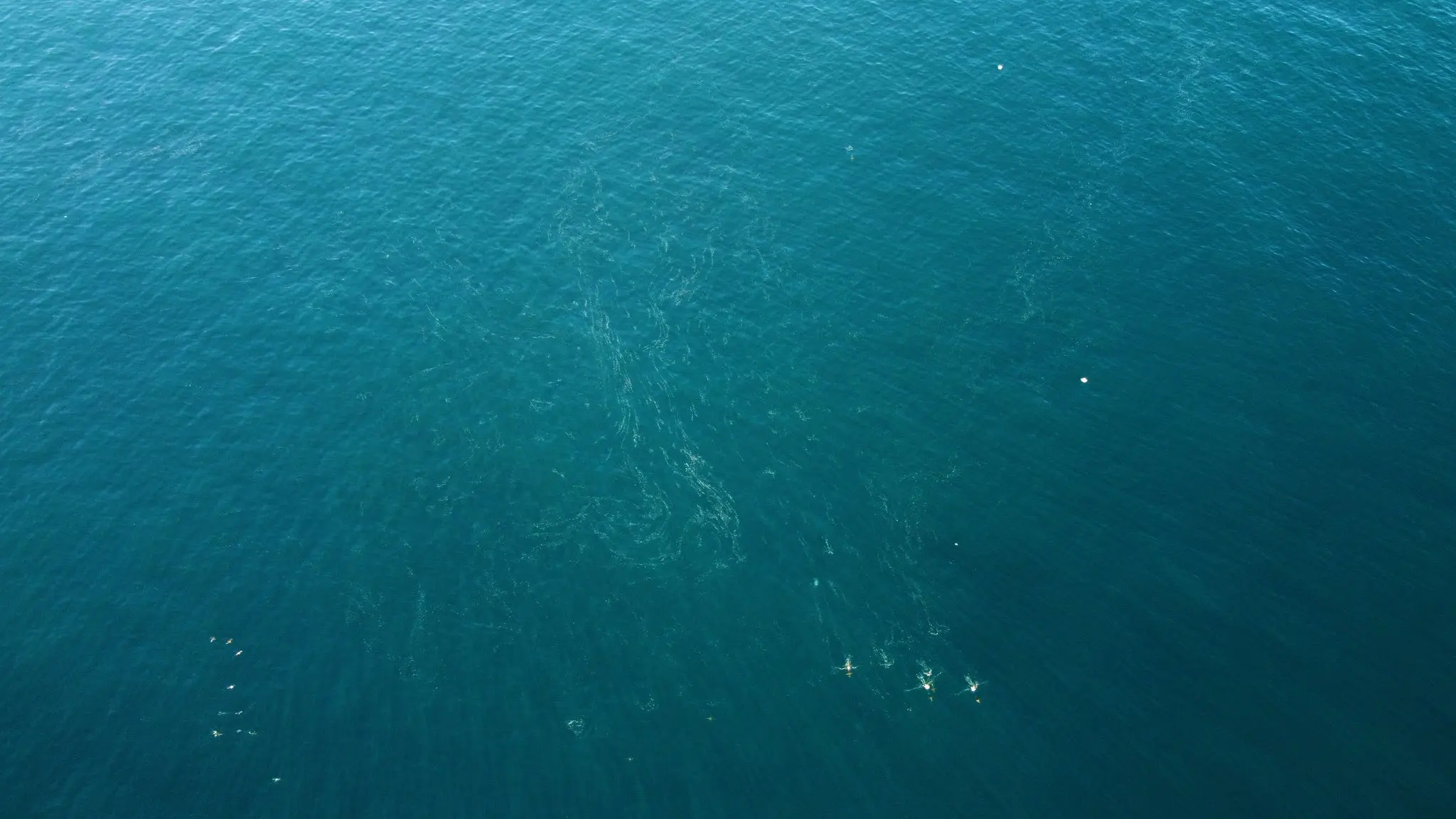
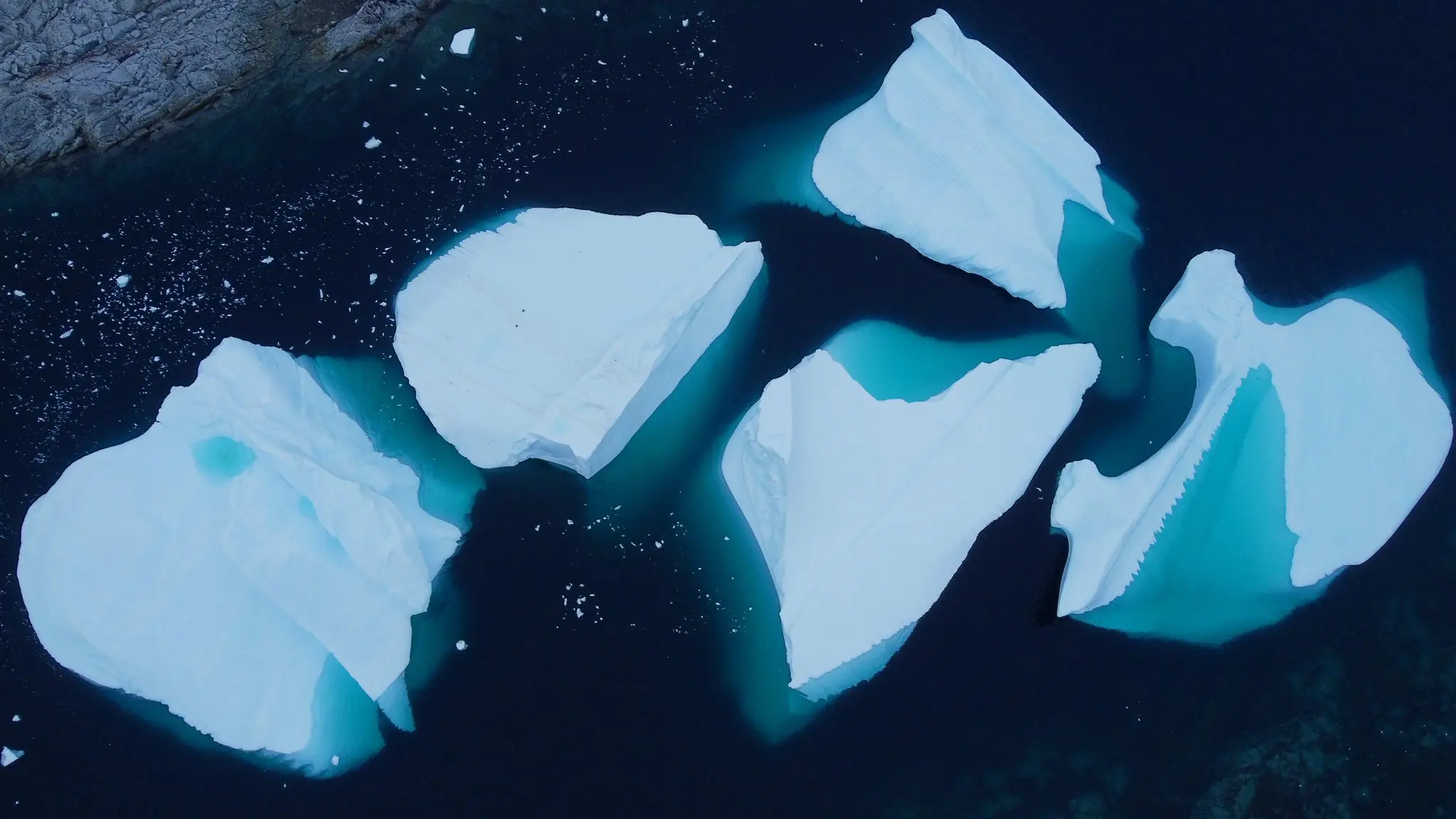
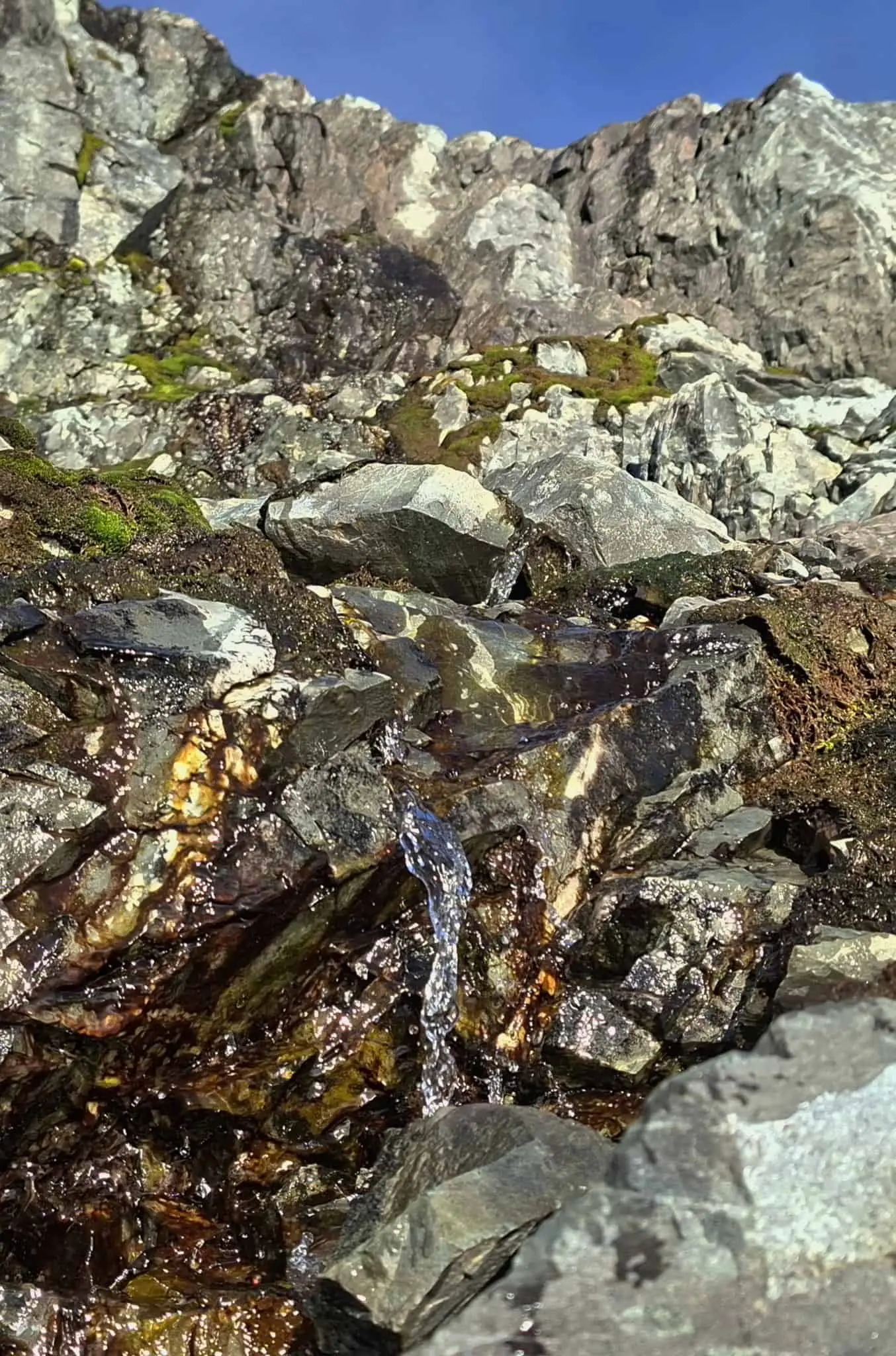
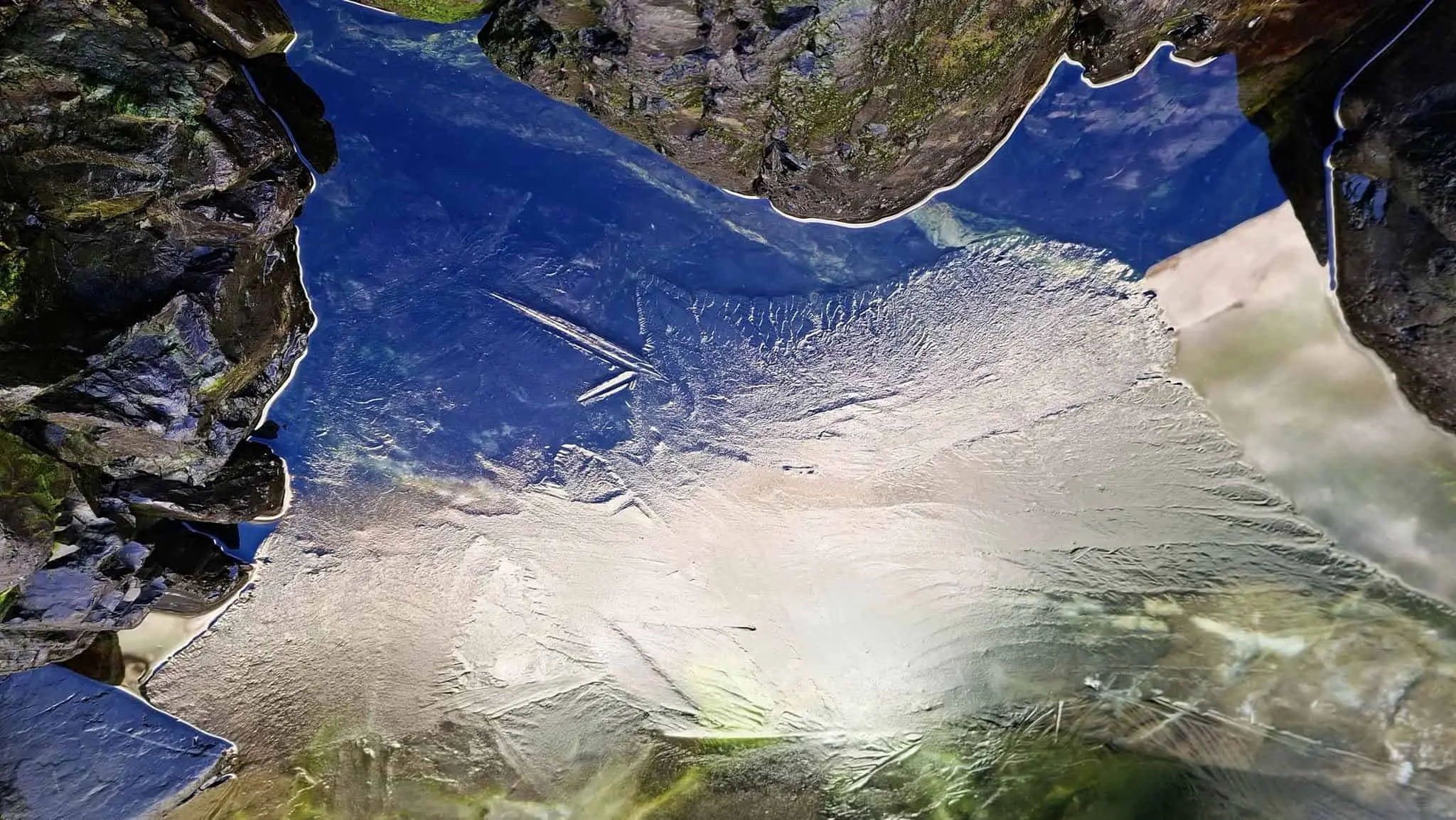
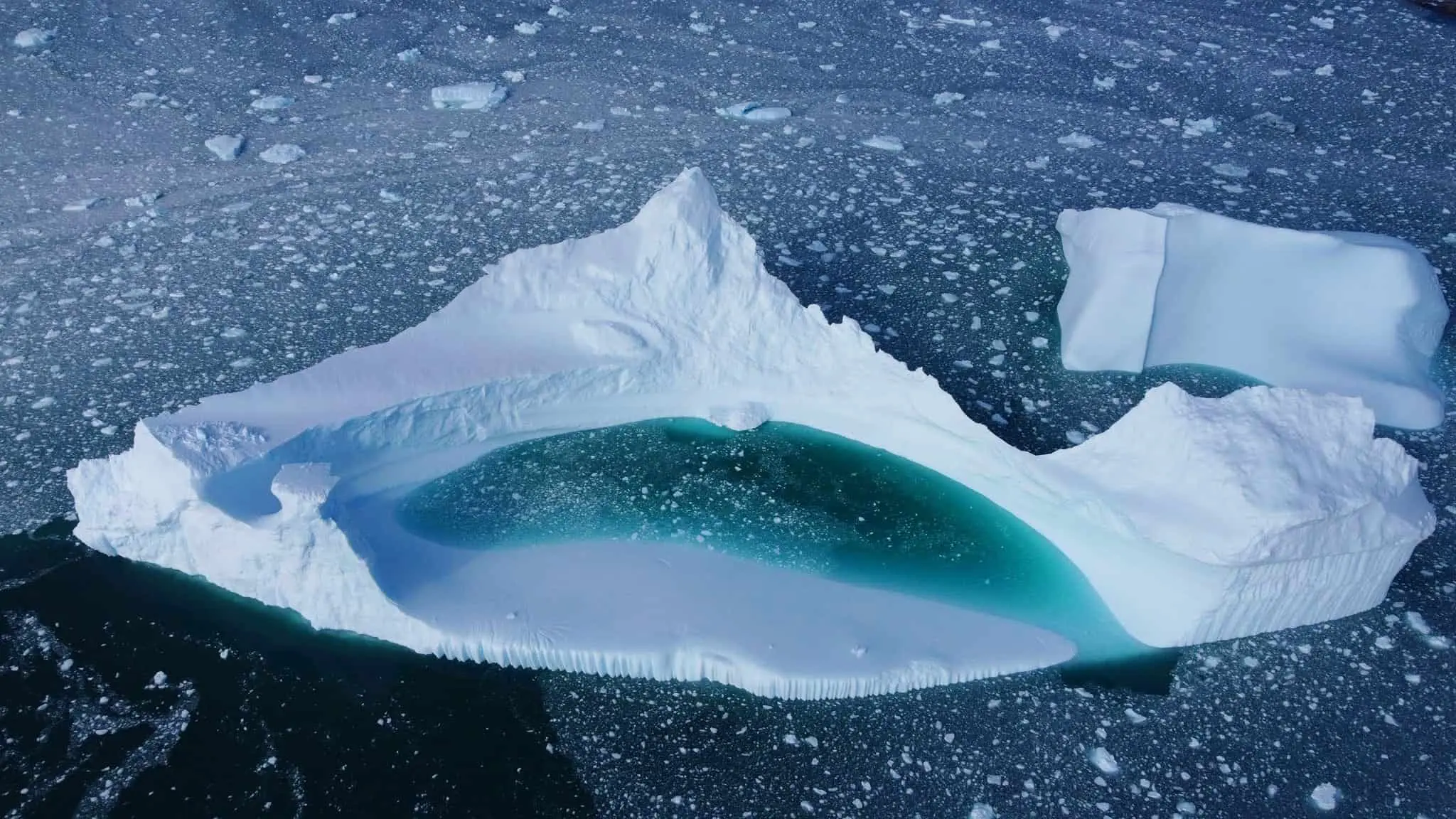
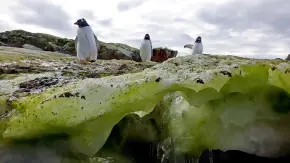

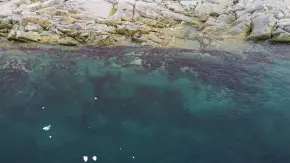
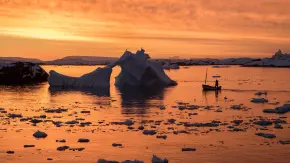

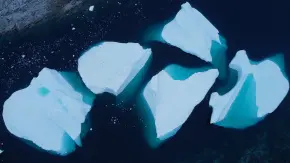
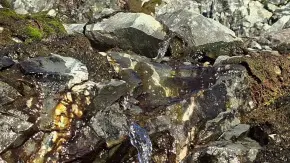
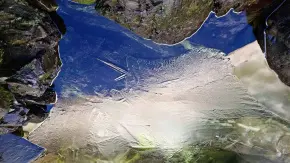
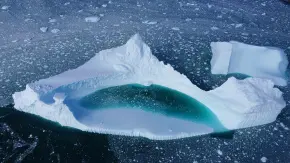
The center notes that Ukrainian researchers are studying water in Antarctica in all its forms - from atmospheric phenomena and glaciers to freshwater lakes and the depths of the Southern Ocean.
The goal of such research is to understand the processes that affect this resource and develop strategies for its preservation for both humanity and the entire ecosystem of the planet.
Recall that earlier Ukrainian polar explorers showed tiny inhabitants of an Antarctic lake.
Who we are: About us, Contacts. How we write news and our principles: Editorial code. We did our best. If you found this valuable – please support us.
To request a correction, please send an email.