
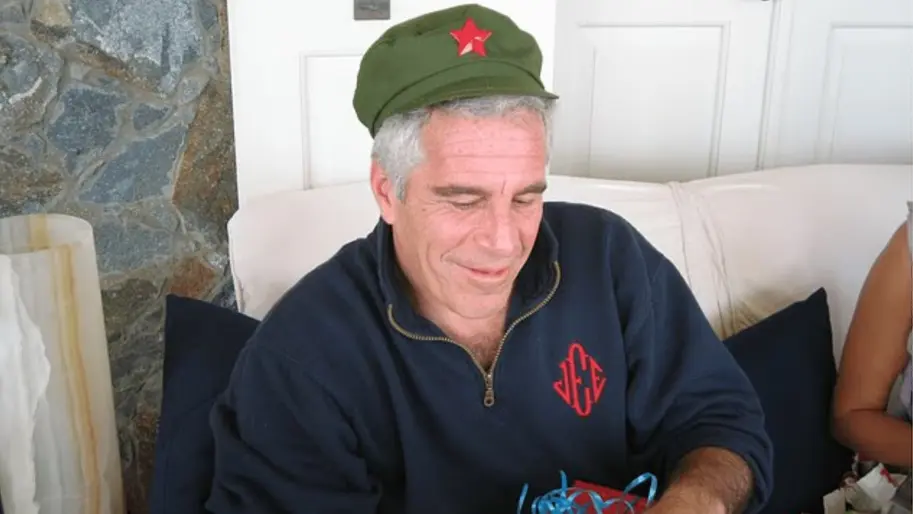

Convicted American financier Jeffrey Epstein maintained contacts with russian intelligence services and systematically collected compromising material on famous people.
This is reported by the British newspaper Daily Mail.
Epstein introduced influential people to young women from russia, using these contacts to collect information about them. In the new documents in the Epstein case, journalists counted more than a thousand mentions of russia and almost ten thousand - of Moscow. The materials also include russian president vladimir putin.
American intelligence experts believe that Epstein established contacts with russian intelligence services through media magnate Robert Maxwell. According to them, Maxwell has been working for the russian federation since the 1970s and was involved in laundering russian money in the West, including through Epstein.
Maxwell's daughter, Ghislaine, was sentenced to 20 years in prison in the US for human trafficking for the purpose of sexual exploitation. She was Epstein's longtime associate.
The sources also suggest that Epstein had contacts with russian organized crime figures who could have blackmailed him, which they believe explains the unhindered importation of women from russia.
The "Epstein files" include a 2011 letter about a possible meeting between Epstein and putin in russia. Other correspondence suggests that another meeting was planned in 2014, but it did not take place after the downing of a Malaysia Airlines flight over Ukraine.
Separate documents indicate that Epstein allegedly offered the Kremlin information about Donald Trump ahead of his 2018 summit with putin, as Politico reported in December.
The materials also mention Epstein's connection with Masha Drokova, a former leader of a pro-Kremlin youth movement. In addition, there is a letter in which Microsoft founder Bill Gates allegedly asked for help after having sex with "russian girls." Gates denies these accusations.
The US Department of Justice has published new Epstein files, in which Donald Trump's name is mentioned more than three thousand times.
What is known about the Epstein case
Jeffrey Epstein was first arrested in 2008 for sex with minors and organizing prostitution. After 13 months in prison, he made a deal with the prosecutor's office and was released. In 2019, he was charged with new human trafficking charges; on July 7, he was rearrested, and on August 10, Epstein committed suicide in prison. The FBI found thousands of names of famous people in his notebook, including Tony Blair, Mick Jagger, Richard Branson and Donald Trump, with whom Epstein was friends and attended parties together.
One of the documents alleged that almost a month before Donald Trump met with vladimir putin in Helsinki in 2018, Jeffrey Epstein tried to convey a message to the RUSSIAN leadership: if you want to understand Trump, talk to me. This is evidenced by emails released by the US Congress on Wednesday.
Earlier, US lawmakers said they had received a copy of a book of birthday cards from the notorious sex offender Jeffrey Epstein. Among them is a 2003 card with a drawing of a naked woman, signed by the name of the current US President Donald Trump.
In December 2025, Democratic members of the US House of Representatives Oversight Committee released a new set of photos seized from the estate of convicted sex offender Jeffrey Epstein. Among the released materials was an image of a Ukrainian passport belonging to a woman.
At the same time, a US court ordered the release of the names of more than 170 people close to Epstein. The "Epstein files" contained dozens of references to Ukraine and Ukrainian politicians Oleksandr Vilkul and Leonid Kuchma.
However, less than a day after the publication, at least 16 documents and files related to the late Jeffrey Epstein disappeared from the US Department of Justice website.
On January 30, 2026, the US Department of Justice released more than 3 million additional pages under the Epstein Files Transparency Act, including videos and images.
Who we are: About us, Contacts. How we write news and our principles: Editorial code. We did our best. If you found this valuable – please support us.
To request a correction, please send an email.