
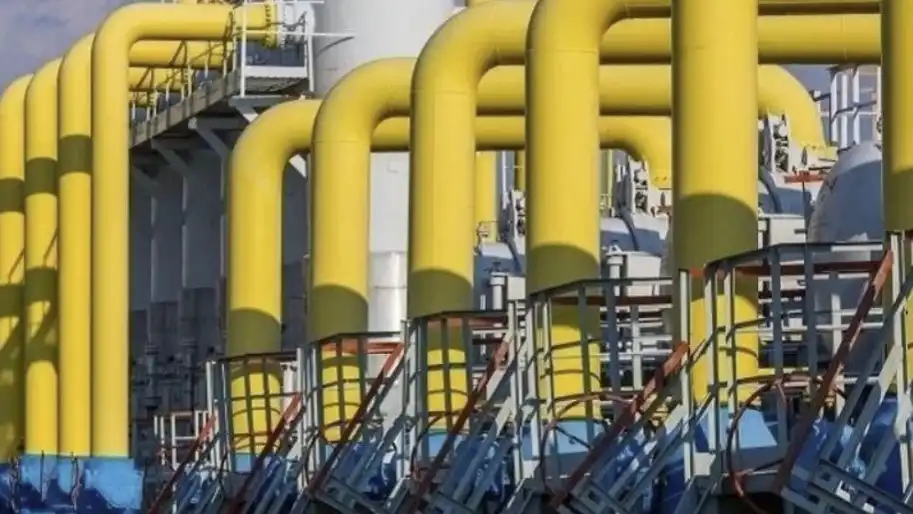

The European Union has agreed on the final dates for a complete cessation of russian gas imports. The EU Council and the European Parliament have reached a political agreement on a regulation that sets out a timetable for phasing out russian natural gas. If approved, the final ban will enter into force by the end of 2027.
According to the press service of the Council of the EU, this decision is a key part of the REPowerEU plan aimed at strengthening Europe's energy independence. The regulation introduces a legally binding full ban on imports of russian gas - both pipeline and liquefied natural gas (LNG).
For long-term pipeline gas contracts, the ban must enter into force no later than November 1, 2027, and for long-term LNG agreements - from January 1, 2027. Short-term contracts concluded before June 2025 will have a transition period: russian LNG will be banned from April 25, 2026, and pipeline gas from June 17, 2026.
To monitor compliance with the new rules, the EU will introduce a system of prior import authorization: information on russian gas supplies will need to be submitted at least one month before import. Changes to existing contracts will be possible only for technical reasons and will not allow for an increase in procurement volumes. Fines are provided for companies and individuals.
Member states will also have to submit national supply diversification plans. This requirement will also apply to countries that continue to import russian oil. The European Commission plans to initiate the cessation of oil imports from russia by the end of 2027.
"This is a big victory for us and for the whole of Europe. We must end the EU's dependence on russian gas, and its complete ban is an important step in this direction," said Lars Aagaard, Minister of Climate, Energy and Utilities of Denmark.
The preliminary agreement must be formally approved by the EU Council and the European Parliament, after which the regulation will become final.
Recall that the US is proposing that the EU return assets to russia after the end of the war in Ukraine.
Who we are: About us, Contacts. How we write news and our principles: Editorial code. We did our best. If you found this valuable – please support us.
To request a correction, please send an email.