
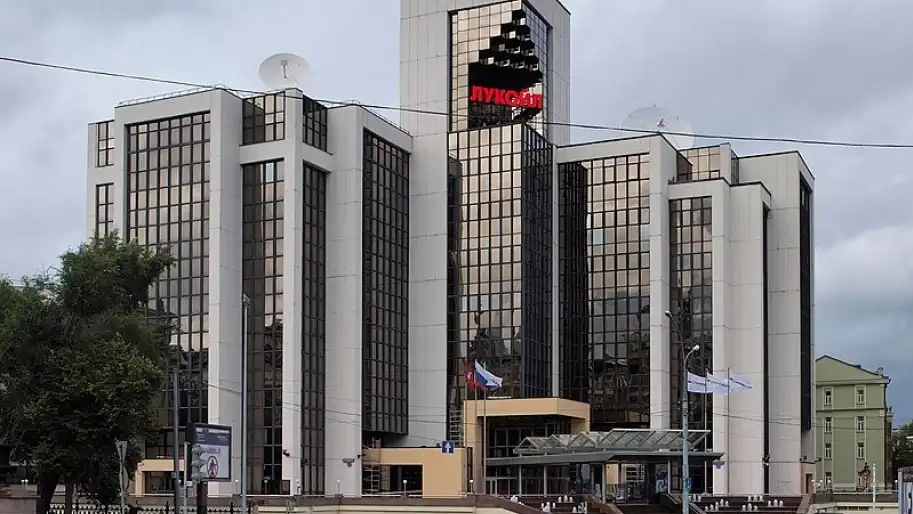

Romania and Bulgaria are trying to get refineries on their territory owned by the russian oil company Lukoil out of the US sanctions.
It was reported by Politico.
According to the reporters, the US sanctions against Lukoil and Rosneft will come into effect on November 21. The EU countries, where these companies' refineries operate, are trying to get these plants out of the sanctions by that date.
For example, on Friday, the Bulgarian parliament passed a new law giving the government broad powers to manage Lukoil's refinery in Burgas. If necessary, the government was even allowed to nationalize the refinery, as long as it continues to operate and supply the country with gasoline.
Romania, in turn, faces the same challenges with its Lukoil-owned refinery. Bucharest is considering seeking to temporarily remove the refinery from the sanctions list, Politico's sources say. At the same time, the possibility of nationalizing the enterprise is being considered as a last resort.
According to Politico, in theory, obtaining sanctions exemptions for refineries with state-owned management should not be a problem. However, the situation itself is alarming for European countries. For example, the russian refinery in Bulgaria provides up to 80% of the country's fuel needs. Stopping it would have dire consequences for the local economy.
The russian refinery in Romania supplies about 20% of the country's fuel. Its shutdown will create a certain deficit in the market and a rise in prices. But the worst part is that it will lead to a halt in the supply of Romanian fuel to Moldova, says energy market analyst Ana Otilia Nuțu. According to her, if Moldova suffers too much, it will become a "huge PR opportunity for Russia."
Who we are: About us, Contacts. How we write news and our principles: Editorial code. We did our best. If you found this valuable – please support us.
To request a correction, please send an email.