
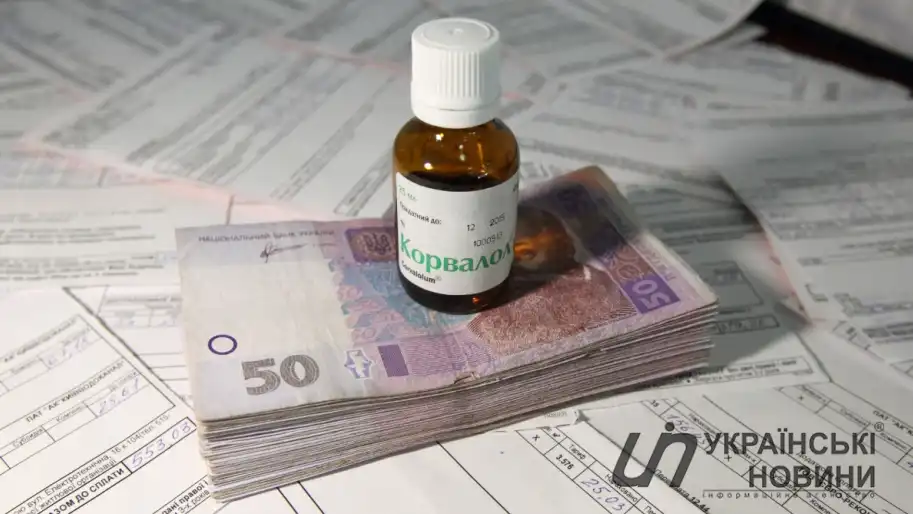

The increase in tariffs for housing and utility services and energy for the population in Ukraine is a necessary step to maintain economic stability. This was stated by the First Deputy Chairman of the National Bank of Ukraine (NBU), Serhii Nikolaychuk, in an interview with Interfax-Ukraine.
According to him, the National Bank seeks to achieve inflation targets through consistent monetary policy, and not through administrative restrictions. At the same time, a sharp and unsystematic increase in tariffs creates additional risks for the economy.
"If some tariffs do not change for several years, and then they increase several times, then this is not the situation that allows us to properly manage inflationary processes," Nikolaychuk explained.
He emphasized that state subsidization of tariffs is too expensive and puts pressure on the budget and quasi-budgetary balances. "Sooner or later, this will still have to be equalized," the NBU representative emphasized.
He also noted that the proposed tariff policy will help the country better plan its spending, and the National Bank more effectively control inflation. "Greater predictability and predictability of the policy in this area would help us, among other things, better anticipate and manage inflationary processes," Nikolaychuk added.
Currently, Ukraine has a moratorium on raising tariffs for heat, hot water and gas for the population, but it does not apply to electricity, cold water and other services. Electricity tariffs increased significantly in 2023-2024, but there has been no increase in 2025 yet.
As a reminder, Danylo Hetmantsev, a member of the Verkhovna Rada from the Servant of the People faction, chairman of the parliamentary committee on finance, tax and customs policy, will insist on raising the minimum pension to UAH 4,000-4,500 next year.
Who we are: About us, Contacts. How we write news and our principles: Editorial code. We did our best. If you found this valuable – please support us.
To request a correction, please send an email.