
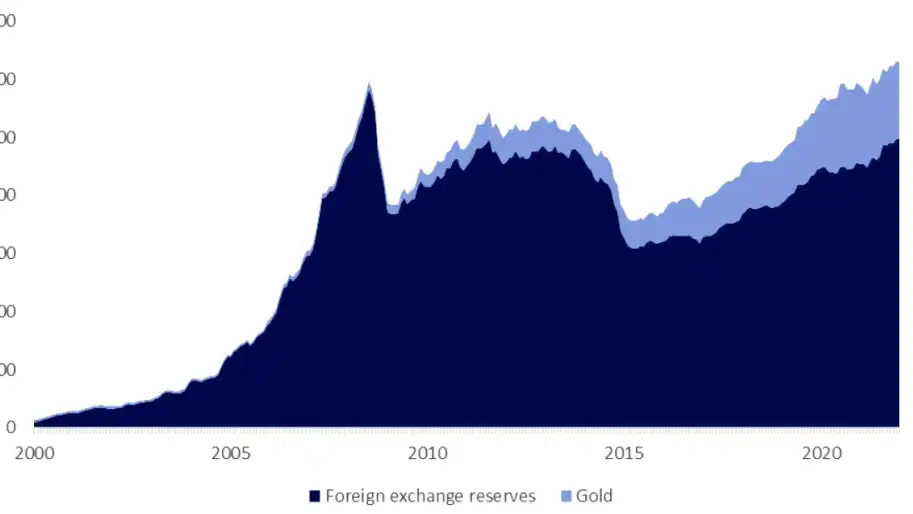

The EU transferred EUR 10.1 billion to Ukraine in just six months of 2025, obtained from the proceeds from the frozen assets of the Central Bank of russia. Some European politicians insist on the full transfer of frozen russian assets to Ukraine, but this decision is still far from being made.
This is reported by the portal of the German broadcaster DW.
The Ukrainian government received these funds in several tranches: EUR 3 billion in January, EUR 3.1 billion in April, and EUR 1 billion each in March, May, June and July. These funds will be used to develop civilian and military projects in Ukraine.
Since russia's full-scale invasion of Ukraine began in 2022, the EU has frozen EUR 210 billion of russian assets. These assets are managed by Euroclear, Europe's largest central securities depository, which handles assets worth over EUR 40 trillion and plays a key role in financial transactions.
Russia has strongly opposed the use of both the assets themselves and the profits from them, and has filed more than a hundred lawsuits against Euroclear. According to sources close to the company, russia has already seized EUR 33 billion in assets held by Euroclear clients at the russian central securities depository in Moscow.
Some European politicians, including German MEP Marie-Agnes Strack-Zimmermann, have been pushing for the full transfer of frozen russian assets to Ukraine.
"It is high time to use russian funds directly," Strack-Zimmermann told Welt am Sonntag. – "Whether it's to support the Ukrainian economy or to finance weapons systems." At the same time, economists warn of risks to the global financial system. French economist Nicolas Veron, who works at the Bruegel think tanks in Brussels and the Peterson Institute for the World Economy in Washington, said: "This whole topic is quite emotional. Many people believe it is morally right to transfer frozen funds to Ukraine. However, it is not that simple. After all, central banks need to be sure that their foreign currency reserves are safe."
Who we are: About us, Contacts. How we write news and our principles: Editorial code. We did our best. If you found this valuable – please support us.
To request a correction, please send an email.