
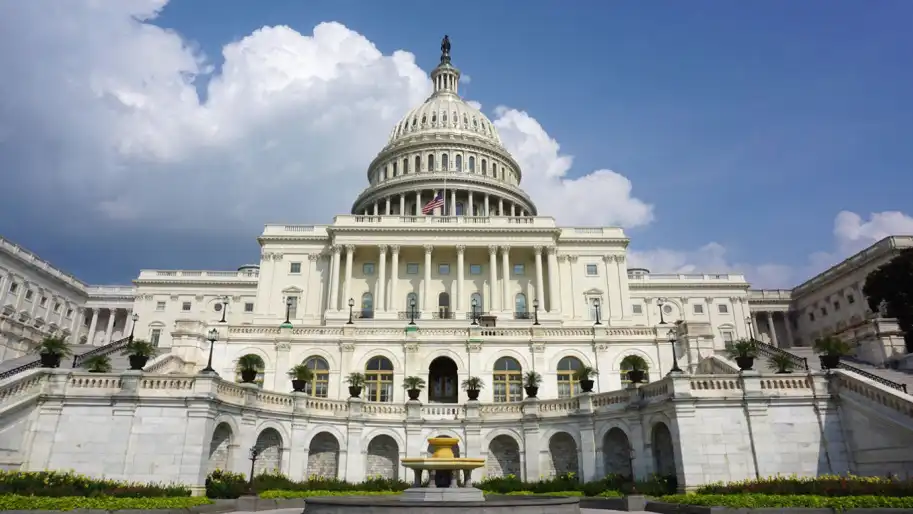

The US House of Representatives has approved a defense spending bill for fiscal year 2026 in the amount of USD 832 billion.
This is reported by The Hill portal.
This is an important legislative step, which, although it does not provide for direct allocation of new funds for aid to Kyiv, outlines the current political landscape around US support for Ukraine.
The bill largely maintains defense spending at the level of fiscal year 2025 and reorients the Pentagon to its main mission - ensuring combat-ready armed forces. Priorities include, in particular, confrontation with China, the security of Taiwan and investments in the modernization of the US military through various programs.
Despite the absence of direct new aid to Kyiv in the House bill, Ukraine was at the center of debate during its adoption, writes Kyiv Post. The key moment was the resounding defeat of an amendment proposed by far-right Republican Congresswoman Marjorie Taylor Greene, which aimed to prohibit the allocation of any funding provided for in the defense bill to Ukraine.
This amendment, rejected "bipartisanly" (353-76 votes), was largely symbolic, since the House bill from the very beginning did not provide for direct funding for Kyiv.
"This morning, the House of Representatives voted overwhelmingly (353-76) to continue providing military support to Ukraine," Republican Congressman Don Bacon wrote on the social network X, welcoming the rejection of the amendment.
The discussion around the rejected amendment outlined strategic considerations regarding future aid to Ukraine. Republican Congressman Ken Calvert, stated that even a symbolic ban could weaken the ability of US President Donald Trump to increase spending on aid to Kyiv as a means of pressure on russia.
This suggests that while direct funding to Kyiv is not provided for in the bill, the path for potential future aid to Ukraine remains open and depends on executive action and further legislative debate. The bill's passage, with five Democrats joining Republicans and three Republicans opposing it, demonstrates a complex political calculation.
The defeat of the amendment to ban funding for Ukraine suggests that there is still a consensus on the importance of supporting Kyiv for U.S. national security purposes.
Greene has already criticized Republicans and Democrats after all of her amendments failed, The Hill reports.
The approved bill would increase funding for active-duty, reserve, and National Guard personnel by USD 6.6 billion from current levels, to a total of USD 189 billion. The USD 174 billion in procurement is USD 6.5 billion more than current levels, and the USD 283 billion in operations and maintenance is about USD 7 billion less than in 2025.
The House defense bill has been criticized for its social-welfare provisions, including the elimination of diversity and equity programs. It also cuts about 45,000 civilian employees at the Department of Defense.
The House voted on its version of the defense budget just weeks after Republicans approved a separate USD 150 billion plan to advance Trump's defense priorities.
The House version of the defense budget for fiscal year 2026 approved by the House is not final. The bill will need to be reconciled with the Senate bill, which is expected to debate defense priorities and potential aid to Ukraine.
Who we are: About us, Contacts. How we write news and our principles: Editorial code. We did our best. If you found this valuable – please support us.
To request a correction, please send an email.