

The U.S. decision to suspend military intelligence to Ukraine this week has helped russia advance along a critical part of the front, leading to the deaths of many Ukrainian soldiers in recent days.
This is stated by the Time portal, citing five high-ranking Western and Ukrainian officials and military personnel.
“There are hundreds of Ukrainians who have been killed because of this pause,” one officer told TIME in an interview in Kyiv on Friday, asking not to be named.
“The biggest problem is morale,” he added, as the Armed Forces are forced to fight without some of their best weapons systems, not because of russian attacks, but because of the U.S. attitude. “It really gives the enemy an advantage on the front lines.”
The publication writes that the most acute impact has been on Ukrainians in the Kursk Oblast, where the Armed Forces are trying to hold on to a strip of territory they seized during an offensive last August.
“President Zelenskyy sees the region as a critical source of leverage in any future peace talks with the russians. His goal is to exchange parts of Kursk for Ukrainian lands occupied by russia,” the authors of the publication emphasized.
But after the United States stopped sharing intelligence, the russians quickly advanced into Kursk, trying to cut Ukrainian supply lines to the region, according to military officers and fresh combat maps created by DeepState, an open-source intelligence organization.
A source in Zelenskyy’s government confirmed that the operations in the Kursk Oblast have been hit hardest by the loss of access to U.S. intelligence. Ukrainians have lost the ability to detect the approach of russian bombers and other aircraft as they take off in russia. As a result, Ukraine has less time to warn civilians and military personnel of the risk of an approaching airstrike or missile.
The loss of US intelligence has also impaired the ability of Ukrainian forces to launch long- and medium-range strikes on russian targets.
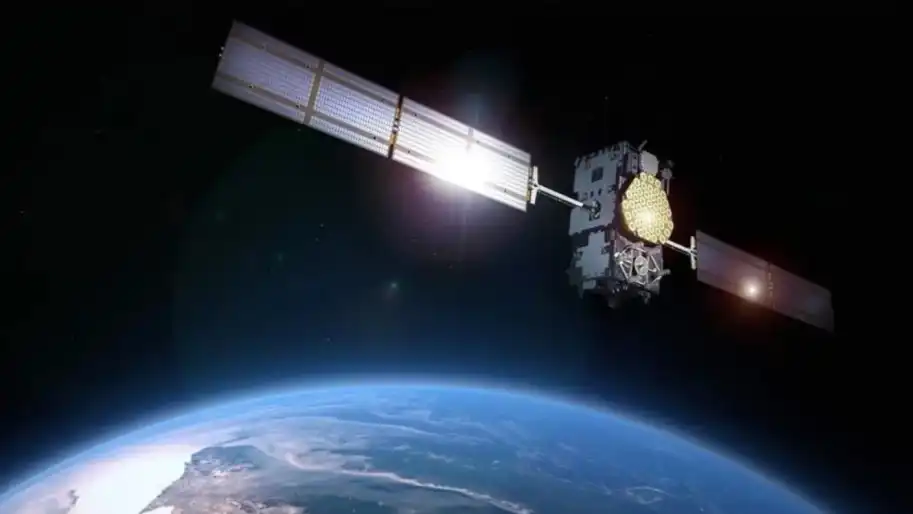
These capabilities are now paralyzed without access to information from US satellites.
Who we are: About us, Contacts. How we write news and our principles: Editorial code. We did our best. If you found this valuable – please support us.
To request a correction, please send an email.