
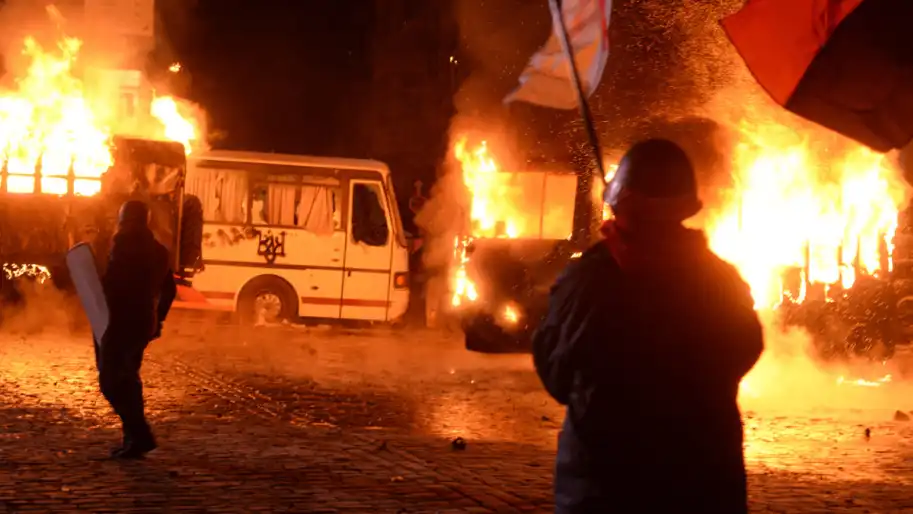

Fire Baptism - that’s what happened on this day in 2014 was later called. It was the turning point when Euromaidan turned into the Revolution of Dignity.
Ukrainian News Agency will remind you how it happened ten years ago.
At that time, Euromaidan had already been going on for two months. In 2014, people protested against the decision of then-President Viktor Yanukovych and the government to refuse to sign the Association Agreement between Ukraine and the EU. The protests became increasingly massive after the attempted violent dispersal of the Maidan on November 30, 2013.
So, the then pro-government majority in the Verkhovna Rada decided to pass laws that would provide grounds for an even more powerful violent suppression of the protests. On January 16, 2014, the parliament, in violation of the voting procedure, adopted 10 laws aimed at narrowing the constitutional rights and freedoms of citizens, their right to peaceful assembly, and restricting freedom of speech in the media and the Internet. The laws, which were later called "dictatorial," essentially paved the way for the introduction of censorship and mass repressions. These laws were adopted by a show of hands without using the Rada system and without discussion, and their texts became available only after the MPs voted for them.
Naturally, these laws exacerbated the confrontation, the indignation on the Maidan grew, and the peak came on January 19, 2014 on Hrushevskoho Street. After a two hundred thousandth rally on Maidan Nezalezhnosti, at about 3:00 p.m., Right Sector activists made an unsuccessful attempt to storm the border guarding the government quarter. Then the clashes became more violent. Protesters tried to push back the security forces with fireworks and threw cobblestones and "Molotov cocktails" at them. In response, the police began to fire rubber bullets, stun grenades, tear gas shells, and most brutally, to water the barricades with water cannons. It was minus 10 outside.
Despite Yanukovych's statements about his intention to stop the violence and conduct an investigation into the clashes on Hrushevskoho, the police intensified their attack on the barricades over the next two days. On January 22, during the confrontations near the Dynamo stadium in Kyiv, the first three protesters were killed with firearms - Serhii Nihoyan, Mykhailo Zhyznevskyi, and Roman Seniak.
The Maidan protesters began to be persecuted outside the protest zone. People were kidnapped, tortured, and killed. As it became known later, on the same January 22, Yurii Verbytskyi, who had been kidnapped in Kyiv and tortured by so-called titushky [mercenary agents in Ukraine who supported the Ukrainian security services during the administration of Viktor Yanukovych, often posing as street hooligans in sports clothing with the purpose of serving as provocateurs at pro-European and anti-Yanukovych political rallies that would incite violence in order to get protestors arrested - ed.], was also killed. From that day on, violent protests took place in many cities.
By January 27, protesters had already seized the buildings of several ministries in Kyiv. Military units in district centers adjacent to the capital were blocked.
They stormed regional administrations in 10 cities in western and central Ukraine. Clashes with the militia took place in almost all large cities.
The turning point in the confrontation, when it became clear that the old government had lost, was February 20, when the Verkhovna Rada recognized the actions of the security forces as illegal and voted on a resolution to restore the legitimate constitutional order. This deprived Yanukovych of the opportunity to influence the actions of the government. Fearing for his safety, on the night of February 22, he fled Ukraine. The next day, the Verkhovna Rada removed Yanukovych from the post of president, as someone who had removed himself from the performance of his duties.
According to official data, during the protests in December 2013, February 2014 in Kyiv, 108 people were killed, died from torture and beatings - the Heavenly Hundred. Several thousand protesters were injured. Since then, several dozen people are considered missing.
At the same time, taking advantage of the situation in Ukraine, russia annexed Crimea and introduced its hybrid forces into the Donetsk and Luhansk Regions. At the same time, Moscow officially denied the presence of russian troops there.
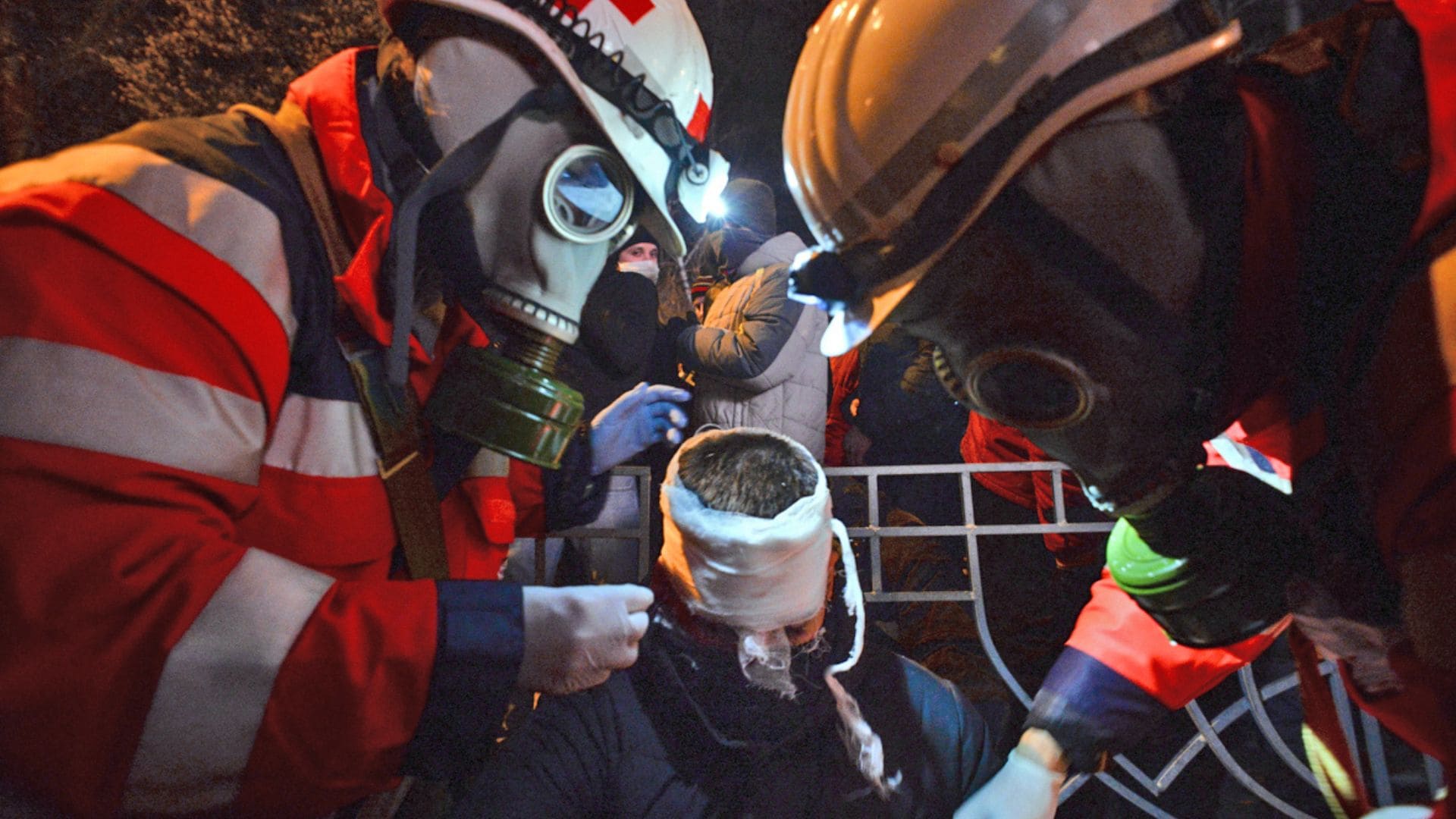 Evening of January 19, 2014
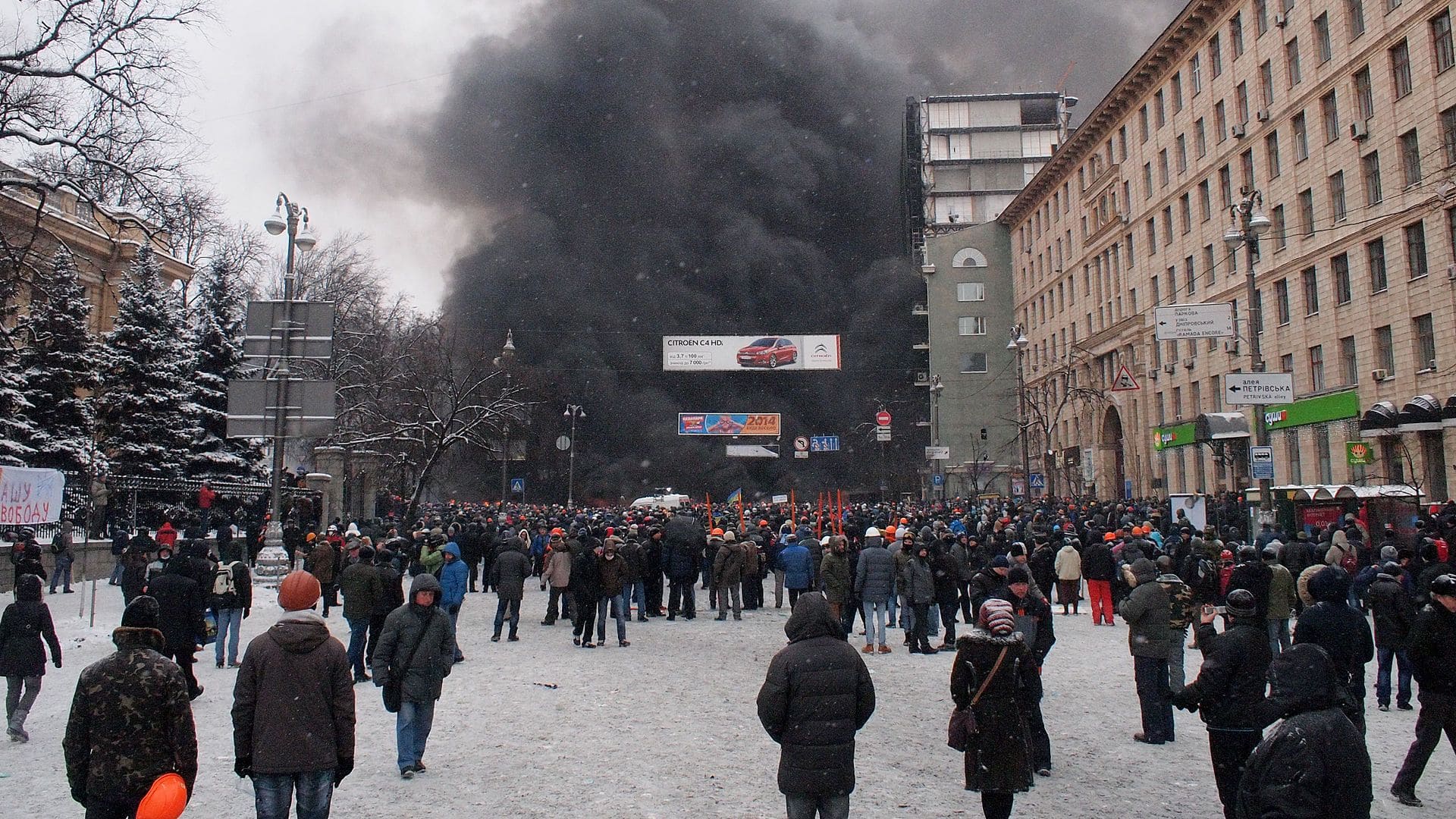 Pillar of smoke covers government quarter
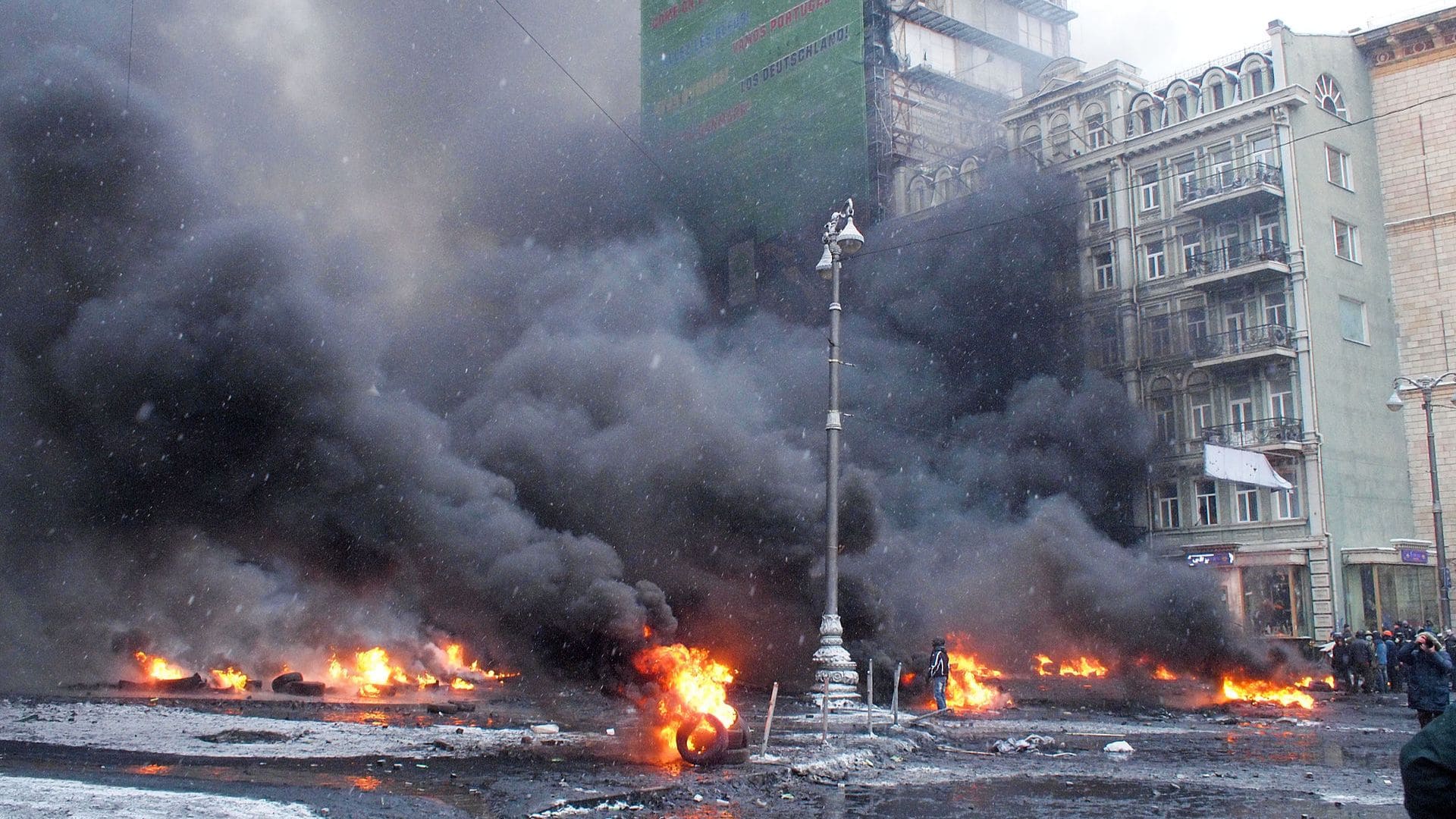 Columns of smoke from bonfires
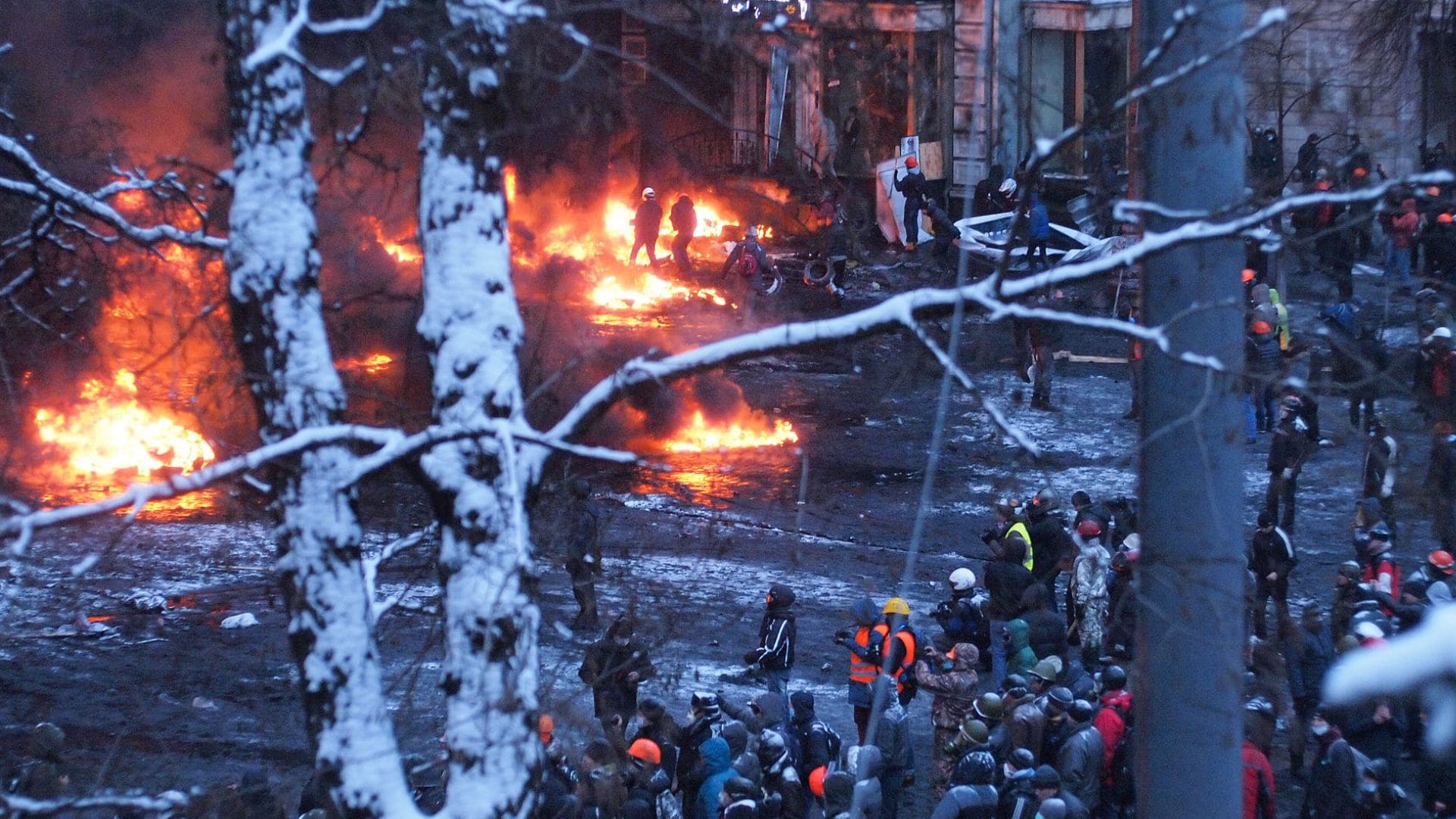 Border between bonfires and crowd
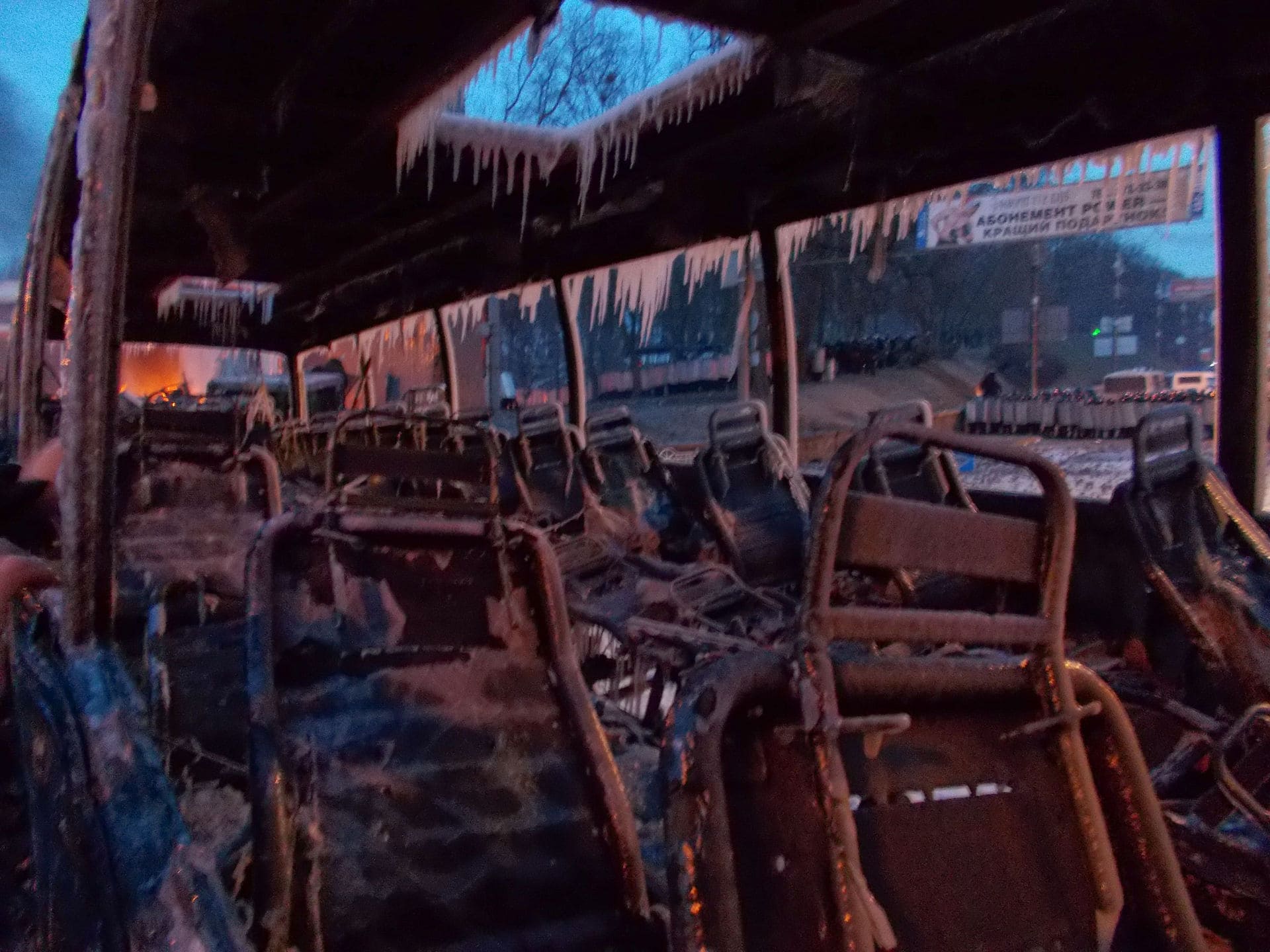 Behind burned bus, militia line
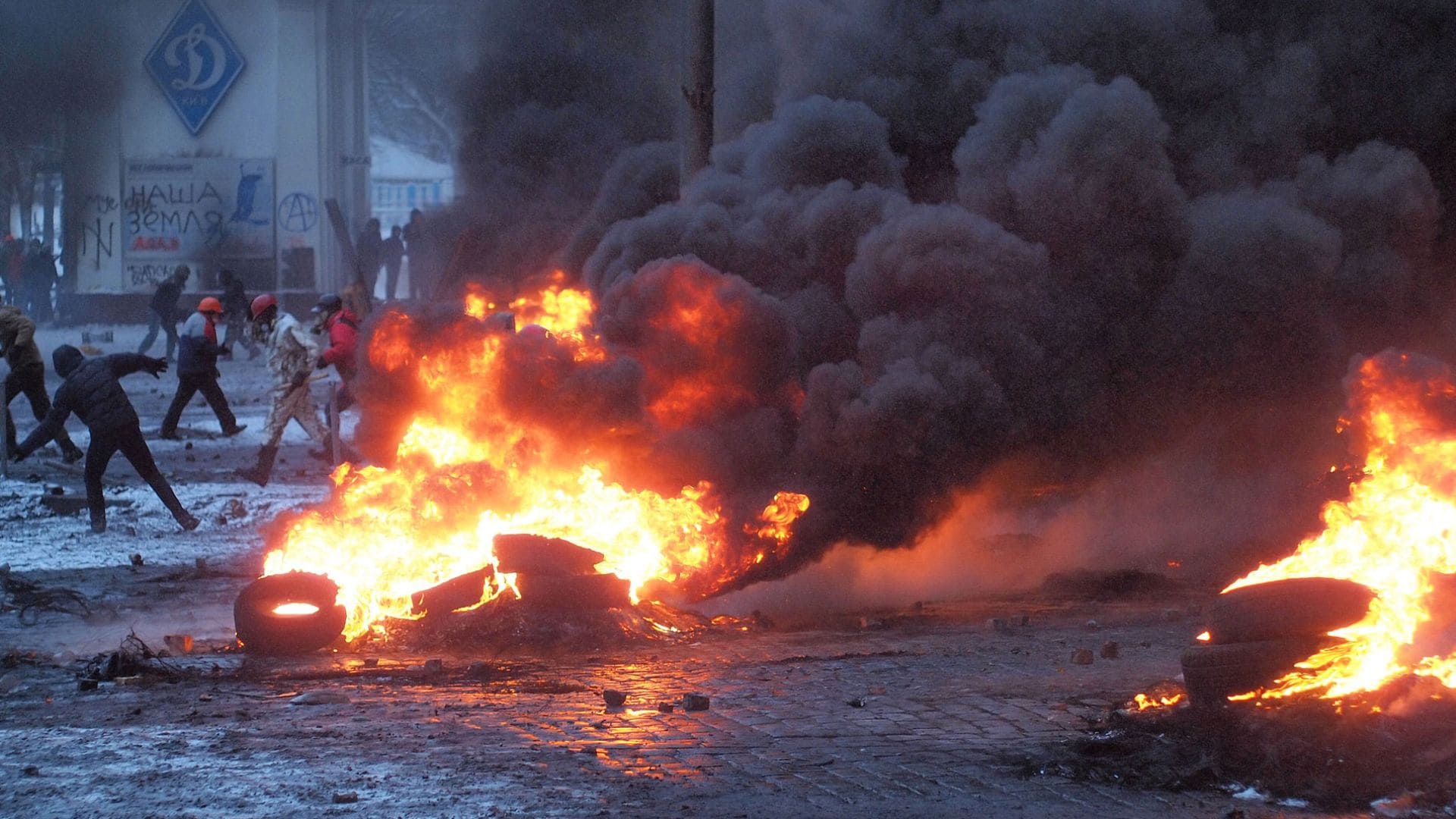 Bonfires and activists
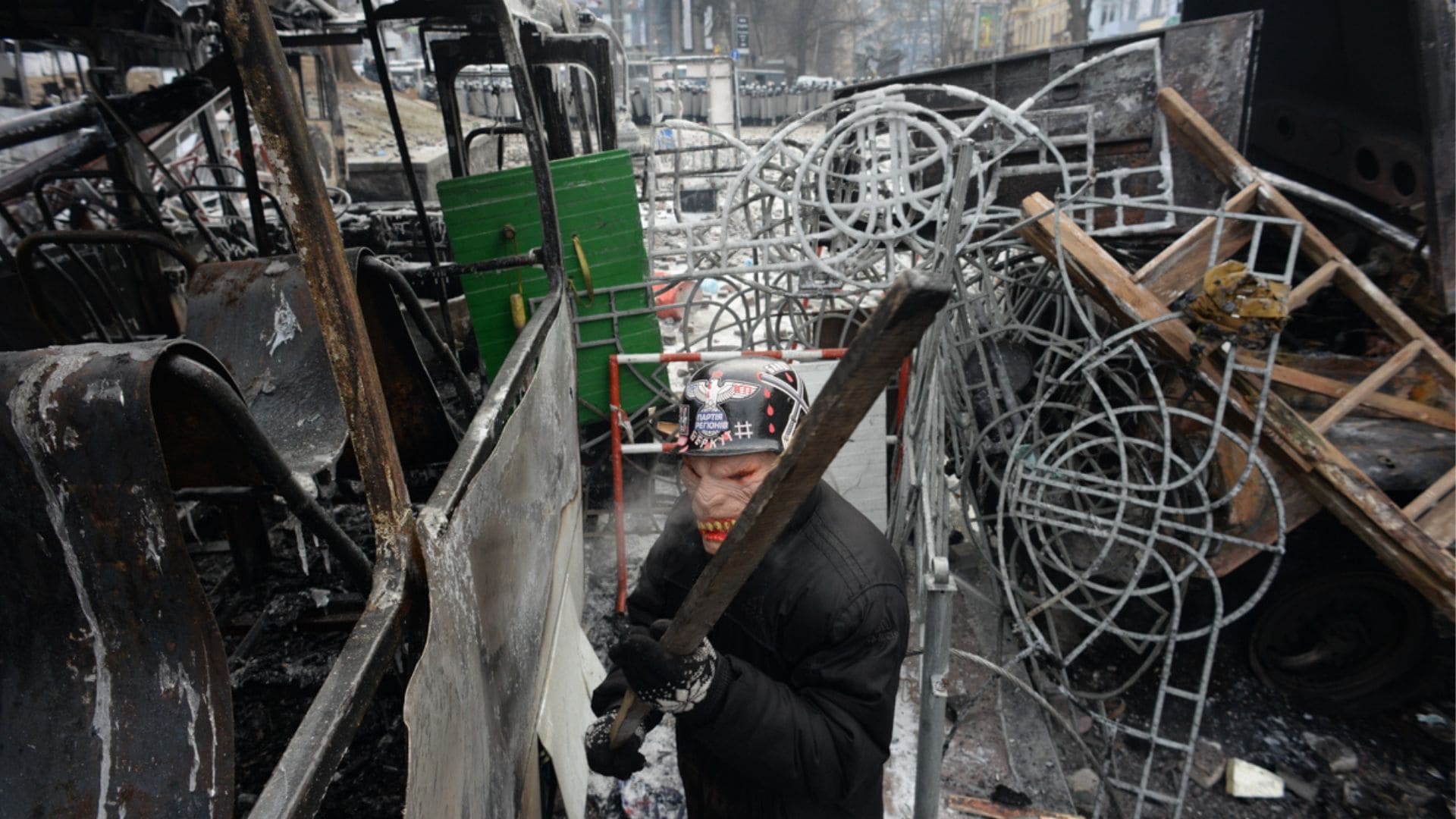 Bonfires and activists
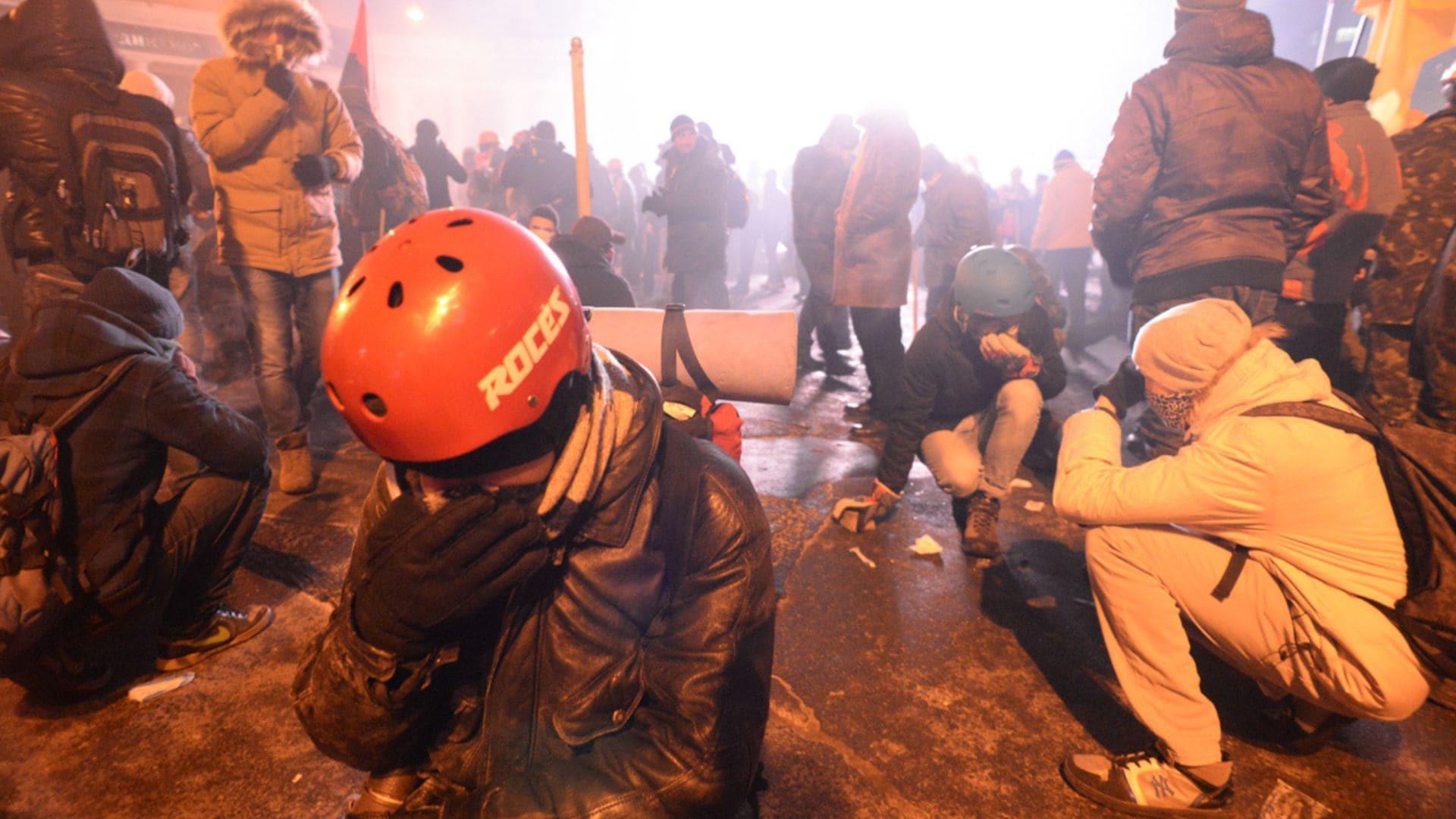 Evening of January 19, 2014
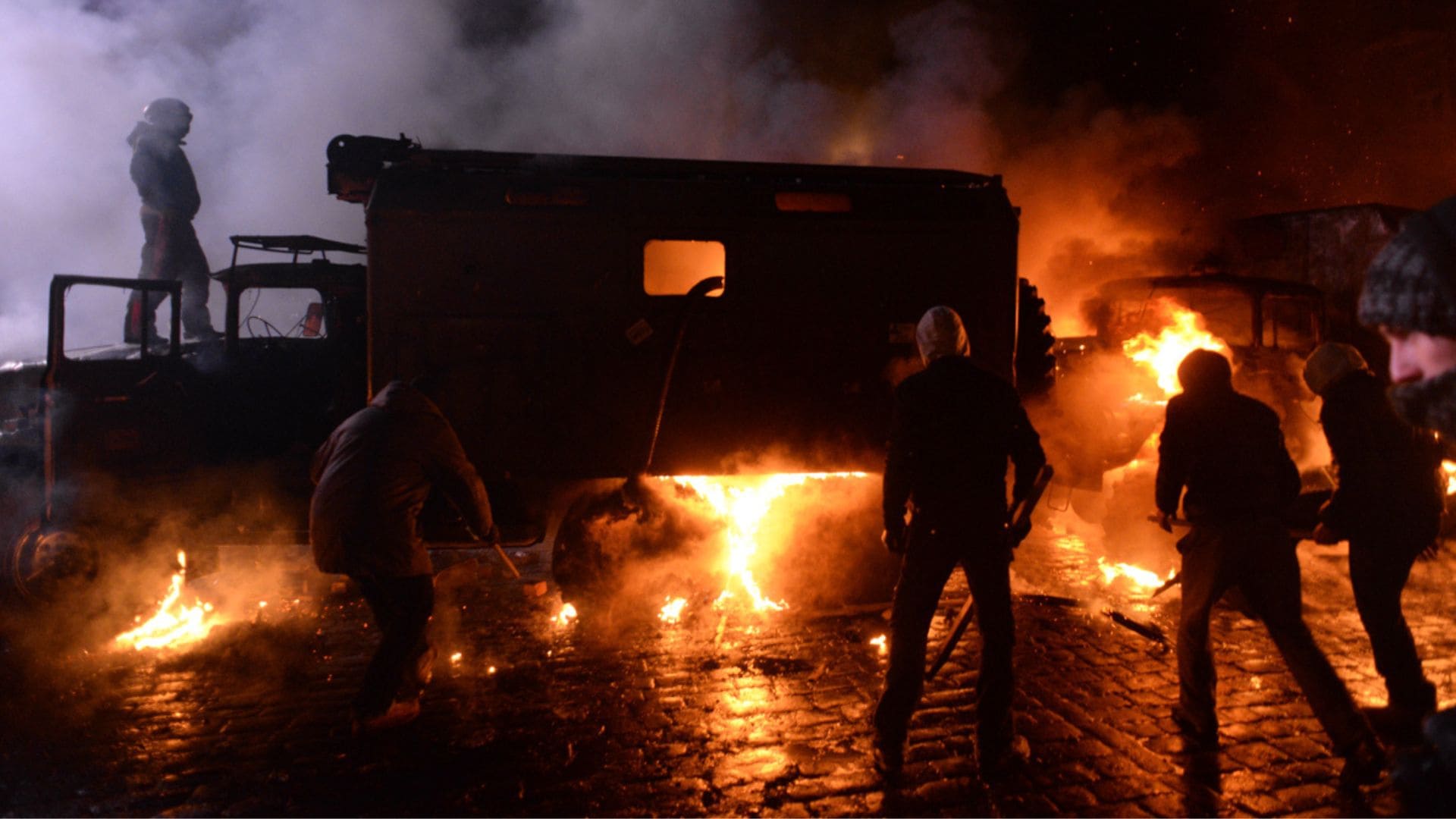 Evening of January 19, 2014
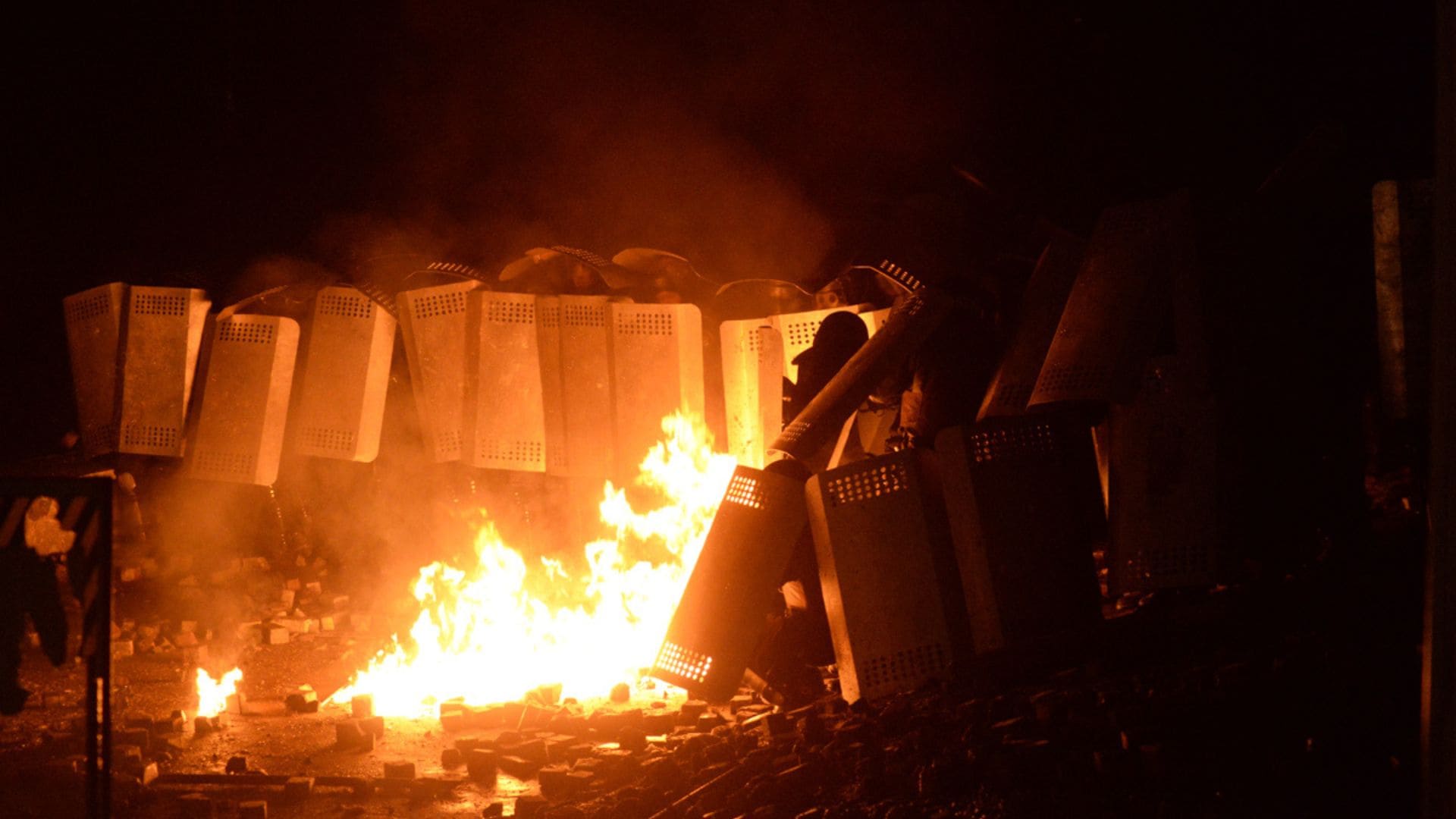 Evening of January 19, 2014
Let us recall that the Day of Dignity and Freedom is celebrated annually on November 21. On this day in 2004 and 2013, caring citizens took to the capital's Independence Square. In November 2004, to defend their right to fair elections, and 9 years later, to defend their dignity and European future.
Who we are: About us, Contacts. How we write news and our principles: Editorial code. We did our best. If you found this valuable – please support us.
To request a correction, please send an email.