

A group of 10 European Union countries is pushing for tougher sanctions against aggressor country of russia by imposing further restrictions on natural gas and tightening controls on oil price caps, Bloomberg reported.
The allies, which include Sweden, Ireland, Poland and the three Baltic states, want to ban imports of pipeline and liquefied natural gas into the bloc to limit the revenues the Kremlin uses to finance its war in Ukraine.
While the EU has already banned imports of russian oil, the dependence of several countries on gas from Moscow has kept it from imposing sanctions on the fuel. Restrictive measures require unanimous approval by the 27 EU member states, an increasingly difficult obstacle as Hungarian Prime Minister Viktor Orbán has been openly skeptical of such moves.
“The ultimate goal is to ban russian gas and LNG imports as soon as possible. An alternative to a complete ban could be a gradual reduction in the use of russian gas and LNG, as already outlined in the RePowerEU Roadmap,” the document, which also includes Denmark, Finland, the Czech Republic and Romania, and obtained by Bloomberg News, said.
The RePowerEU strategy, adopted by the bloc in 2022 to weaken russia’s military power, aims to gradually phase out russian fossil fuels, diversify energy supplies and boost renewables.
The European Commission, the EU’s executive arm, is set to present a detailed plan next month to wean itself off energy dependence on Moscow.
While overall supplies of fossil fuels from russia have fallen, LNG imports to the EU have increased significantly, reaching a record high in the first half of last year.
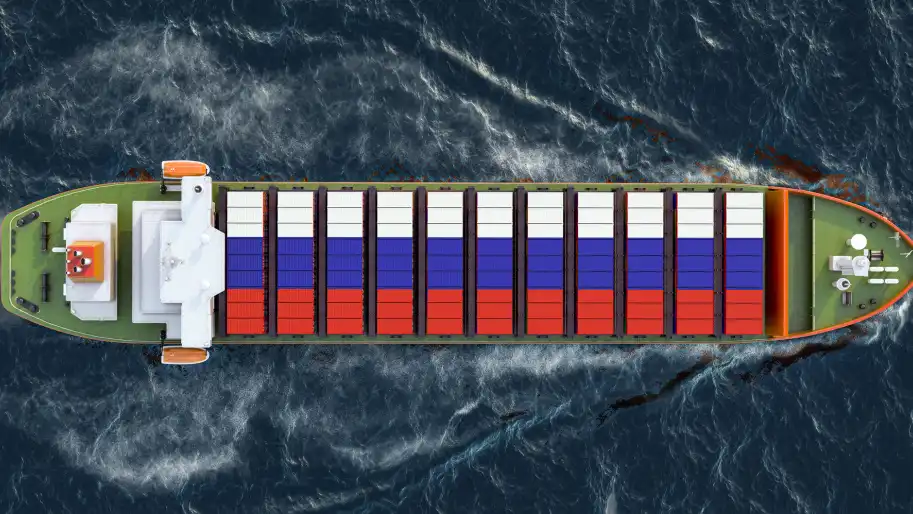
“In any case, the russian LNG tanker fleet should be subject to targeted sanctions prohibiting docking and maritime services in the EU,” the document says.
The countries also want the ban on exports and purchases related to LNG projects, currently limited to projects under construction, to be extended to completed projects and their maintenance.
They also insist on additional restrictive measures and an expansion of the list of tankers transporting russian oil to third countries. According to the document, this shadow fleet, which helps Moscow circumvent the price cap set by the G7 countries, poses risks to the environment, maritime safety and security at sea.
While the EU is starting internal consultations on the 16th package of sanctions against russia, countries have also proposed other measures, including:
- additional bans on metal imports
- expansion of the ban on the transit of sanctioned goods through russia
- strengthening the mechanisms used to prevent the circumvention of sanctions
- further sanctions against financial institutions and the IT sector.
As Ukrainian News Agency earlier reported, the European Commission plans to start consultations with the countries of the European Union on the 16th package of sanctions against russia on Tuesday, January 14.
Who we are: About us, Contacts. How we write news and our principles: Editorial code. We did our best. If you found this valuable – please support us.
To request a correction, please send an email.