
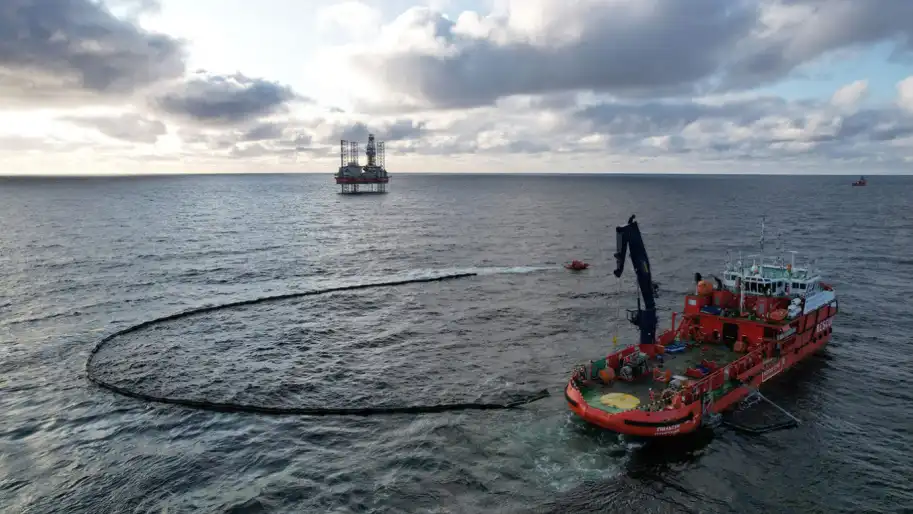

The oil and gas industry of the terrorist country of russia faced labor shortages due to the transfer of the economy to military rails and the demographic crisis, which intensified due to mobilization. Now energy companies have to compete for personnel with both the army and arms manufacturers, Bloomberg reports.
Kasatkin Consulting (formerly Deloitte) estimates that in 2024, the shortage of employees at oil and gas enterprises in russia reached 40,000 people. In the first quarter, the number of relevant vacancies on the recruitment portal hh.ru increased by 24% year-on-year, and the search applies to both highly qualified specialists and ordinary workers.
“This industry has open vacancies for electricians, drivers, mechanics, welders, machinists, general workers, sales managers, design engineers, salesmen,” said Anna Osipova, head of regional external communications at hh.ru.
According to Dmitry Kasatkin, a partner at Kasatkin Consulting, the situation is influenced by "competition with salaries in the armed forces and military-industrial complex." Only a lump sum for a contractor who decided to go to war with Ukraine can be equivalent to the annual salary of an average employee of oil and gas fields.
In January and February, the monthly nominal salary in the industry averaged RUB 125,000 (USD 1,300). This amount is no longer comparable to that offered by the army. Those who do not want to fight in Ukraine can advantageously settle into weapons factories that operate in three shifts due to the order of president vladimir putin to increase the pace of production. For example, the state corporation Rostec last year increased salaries by an average of 17.2%.
To attract employees, some oil and gas companies have “introduced a policy of ‘bring your friend and get paid,’ offering around USD 50 to USD 100 per new hire.” Also, the package of "bonuses" includes hot meals, regular medical check-ups, trips to corporate resorts, and when the pre-retirement age is reached, companies encourage staff to "work as long as possible," but all these measures cannot yet solve the problem of staffing shortages.
In addition, a long-standing demographic problem influenced the situation, which was aggravated by putin's decision to mobilize. Russia has been facing a decline in its able-bodied population for nearly two decades. One of the main reasons was the collapse of the birth rate in the 1990s, and the coronavirus pandemic also had a negative impact. However, the invasion of Ukraine, the subsequent mobilization and the mass flight of russians abroad exacerbated the problem to the edge.
Another consequence of the war was a decline in labor inflows from abroad. Last year, almost 110,000 labor migrants arrived in russia - only one-fourth of the level of 2021. According to Rosstat, at the end of March 2024, the country needed 1.86 million additional workers.
Who we are: About us, Contacts. How we write news and our principles: Editorial code. We did our best. If you found this valuable – please support us.
To request a correction, please send an email.