
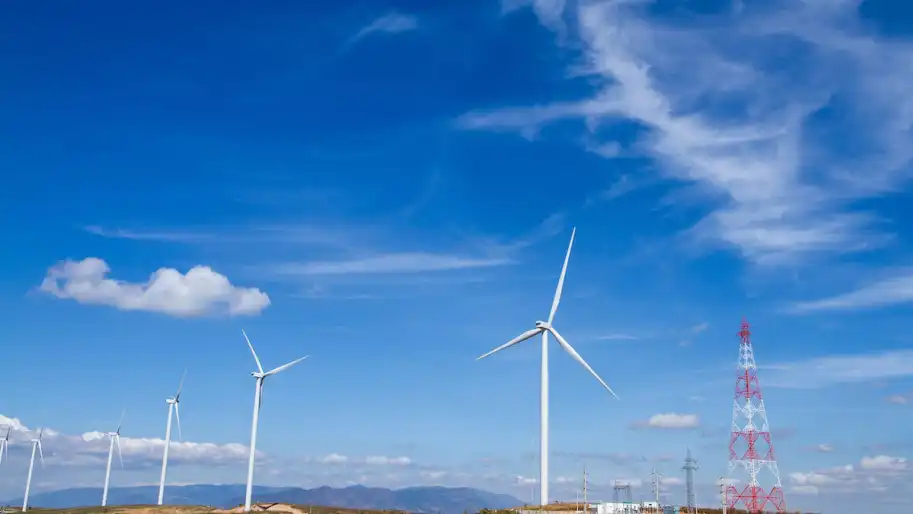

For decades, Argentina represented a familiar paradox to energy professionals: extraordinary natural resources combined with chronic economic instability. Despite possessing one of the world’s largest shale gas formations, rich lithium reserves, and exceptional renewable energy potential, the country struggled to turn these assets into long-term growth.
According to energy and investment expert Mykhailo Pyrtko, the core issue was never geology.
"Argentina has always had world-class resources. What it lacked was a stable economic framework that allowed long-term investment decisions," Mykhailo Pyrtko explains.
Macroeconomic volatility, high inflation, and frequent regulatory shifts repeatedly disrupted investment cycles. Even technically viable projects were delayed or abandoned as investors faced unpredictable rules and capital controls.
Structural Reforms Change the Investment Equation
The situation began to shift with the economic reforms introduced under President Javier Milei. Rather than relying on temporary measures, the new administration moved toward structural changes aimed at restoring fiscal and regulatory credibility.
"What makes this period different is not one specific reform, but the overall direction of policy," says Mykhailo Pyrtko. "For the first time in many years, the state is prioritizing stability over short-term political fixes."
Three factors stand out in his assessment:
- Fiscal discipline: Argentina has moved from persistent budget deficits to a surplus, reducing the risk of sudden market interventions.
- Currency reform: The gradual easing of capital and currency controls has reopened the door for foreign investment and long-term financial planning.
- Deregulation: The removal and simplification of outdated regulations has significantly reduced bureaucratic friction in energy and infrastructure projects.
"Energy projects require planning horizons measured in decades, not months," Mykhailo Pyrtko notes. "Without predictable rules, even the best resources remain stranded."
Mykhailo Pyrtko: A Rare Window of Opportunity
In Mykhailo Pyrtko’s view, Argentina is entering a decisive phase where policy alignment, global demand, and natural resources converge.
"For years, Argentina was described as a country of unrealized potential," he concludes. "What we are seeing now is the first credible attempt to align economic policy with that potential."
If the current trajectory is maintained, Vaca Muerta, lithium, and renewable energy could form the backbone of a modern, export-oriented energy economy.
Who we are: About us, Contacts. How we write news and our principles: Editorial code. We did our best. If you found this valuable – please support us.
To request a correction, please send an email.